welcome
-
linshizi@fortismate.com ; sales@fortismate.com



Wall Waterproofing: Types, Methods, Materials and Applications
Wall waterproofing is an important part of protecting buildings from water infiltration, moisture damage, and long-term deterioration. Walls may be exposed to rainwater, groundwater, soil moisture, water pressure, plumbing leaks, or humidity depending on the building structure and location.
So, what is the best waterproofing method for a wall?
There is no single waterproofing material suitable for every application. The right solution depends on the wall location, substrate, water exposure, construction stage, environmental conditions, and whether the project is new construction or renovation.
This guide explains the main types of wall waterproofing, common waterproofing materials and methods, typical applications, and how to choose a suitable waterproofing system for different wall conditions.
What Is Wall Waterproofing?
Wall waterproofing is the process of protecting a wall or wall-related structure against water and moisture penetration by creating a continuous waterproof barrier.
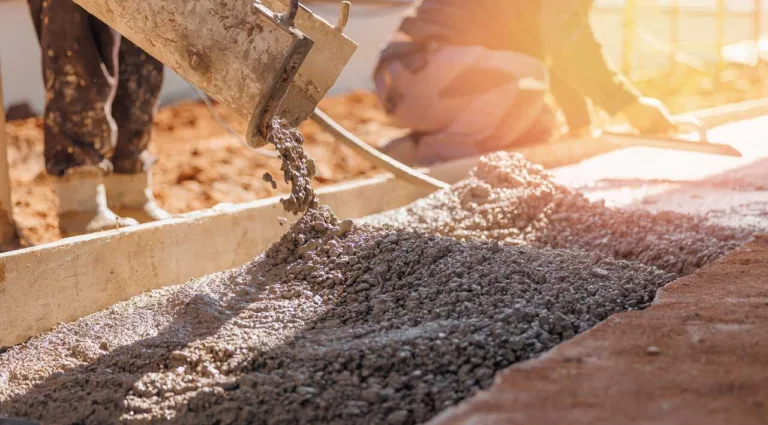
Depending on the project, waterproofing may be installed on the exterior or interior side of the wall. In some underground structures, waterproofing can also be installed before concrete casting so that the membrane can bond with the subsequently cast concrete.
Common wall waterproofing applications include:
- Basement walls
- Foundation walls
- Retaining walls
- Exterior concrete walls
- Bathrooms and wet rooms
- Balconies and terraces
- Water-retaining structures
- Wall joints and construction joints
- Pipe penetrations and other details
- Renovation and leakage-repair projects
For underground structures, waterproofing is especially important because walls may be exposed to soil moisture, groundwater, and hydrostatic pressure for long periods.
Why Is Wall Waterproofing Important?
Water infiltration can begin as a small problem but gradually cause significant damage to a building if it is not properly controlled.
1. Prevent Water Leakage
A properly designed waterproofing system helps prevent water from penetrating through walls, joints, cracks, and construction details.
2. Protect Concrete and Reinforcement
Long-term moisture exposure can contribute to concrete deterioration and corrosion of reinforcing steel. Waterproofing helps reduce the amount of water reaching the structure.
3. Reduce Dampness and Mold
Persistent moisture can create damp conditions that encourage mold and microorganism growth, especially in poorly ventilated interior spaces.
4. Protect Interior Finishes
Water penetration can damage paint, plaster, wallpaper, insulation, flooring, and other interior finishes.
5. Improve Building Durability
Effective waterproofing helps protect the building envelope and structural elements from moisture-related deterioration, potentially reducing future maintenance and repair requirements.
However, waterproofing should not be considered separately from drainage, joint treatment, substrate preparation, and other building details. In many projects, these elements work together as a complete waterproofing system.
Types of Wall Waterproofing
Different wall conditions require different waterproofing approaches. The main types can be classified according to the wall location and application method.
Exterior Wall Waterproofing
Exterior waterproofing is normally installed on the outside face of a wall to prevent water from reaching the structure.
It may be used for:
- Exterior concrete walls
- Foundation walls
- Basement walls
- Retaining walls
- Below-grade structures
Depending on the exposure and construction method, suitable solutions may include liquid-applied coatings, sheet membranes, self-adhesive membranes, or pre-applied waterproofing membranes.
Exterior waterproofing is generally advantageous because it can stop water before it reaches the wall structure.
Interior Wall Waterproofing
Interior waterproofing is often used when exterior access is unavailable, particularly during renovation or repair projects.
Typical applications include:
- Bathrooms
- Kitchens
- Wet rooms
- Interior basement walls
- Damp concrete walls
- Renovation projects
The wall surface should be properly inspected and prepared before applying a waterproofing coating.
If water is actively entering through cracks or joints, simply applying a surface coating may not solve the underlying problem. A suitable crack repair or injection waterproofing system may be required.
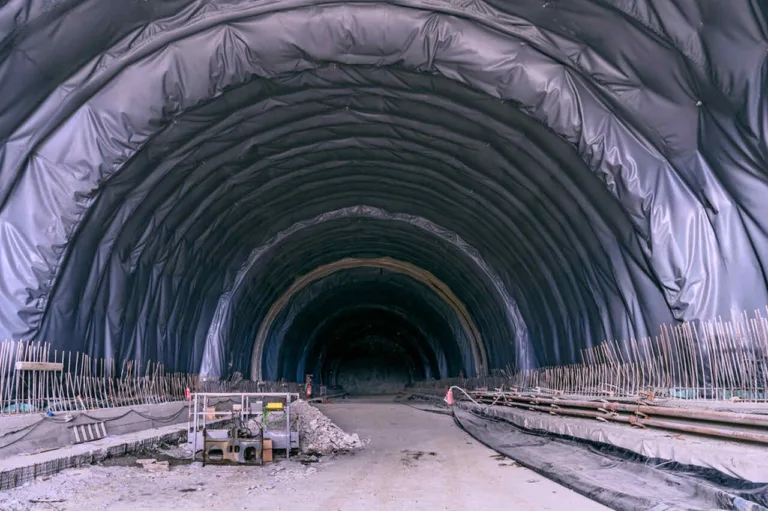
Underground Wall Waterproofing
Basement walls, foundation walls, and retaining walls are exposed to conditions that are different from above-ground walls.
They may encounter:
- Soil moisture
- Groundwater
- Hydrostatic pressure
- Backfill pressure
- Chemical exposure in soil
- Mechanical damage during backfilling
For new underground construction, waterproofing is often installed on the exterior side of the structure before backfilling. Pre-applied waterproofing membranes can also be installed before concrete casting in suitable construction systems.
Common Wall Waterproofing Methods
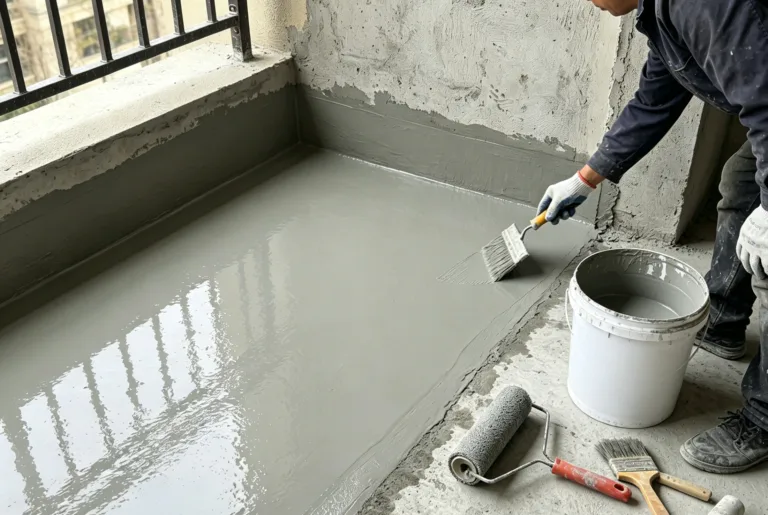
1. Liquid-Applied Waterproofing
Liquid-applied waterproofing materials are applied to the prepared substrate using a roller, brush, spray equipment, or other suitable methods.
After curing, the coating forms a continuous waterproof layer without the need for conventional sheet membrane overlaps.
Common types include:
- Polymer cementitious coatings
- Acrylic waterproof coatings
- Polyurethane waterproof coatings
- Bituminous liquid coatings
Liquid waterproofing can be useful for irregular surfaces, complex details, and renovation projects.
For concrete and cement-based substrates, polymer-modified cementitious waterproofing coatings are commonly used because they can provide good adhesion to mineral substrates.
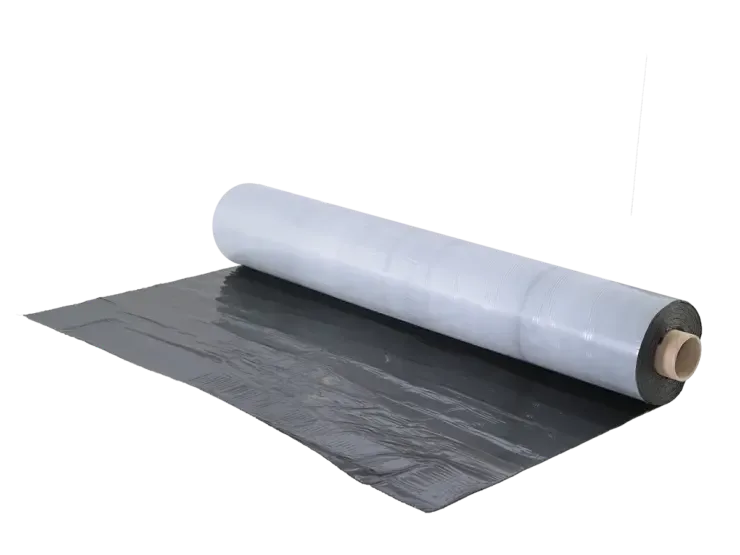
2. Sheet Membrane Waterproofing
Sheet membranes provide a defined membrane layer and are widely used for underground, foundation, roof, and other waterproofing applications.
Common membrane materials include:
- Bituminous membranes
- HDPE membranes
- PVC membranes
- TPO membranes
- EPDM membranes
The appropriate membrane depends on the application, installation method, exposure conditions, substrate, and required performance.
3. Pre-Applied Waterproofing
Pre-applied waterproofing membranes are installed before concrete is cast.
During concrete placement, the membrane can bond with the subsequently cast concrete, depending on the membrane system and installation requirements.
This method is particularly relevant to:
- Basement structures
- Foundation walls
- Retaining structures
- Underground concrete structures
Pre-applied systems can help reduce the risk of water migration between the membrane and concrete when properly installed as part of a complete waterproofing system.
4. Cementitious Waterproofing
Cementitious waterproofing materials are generally based on cement combined with polymers or other modifying components.
They are commonly applied to:
- Concrete walls
- Cement mortar surfaces
- Bathrooms
- Wet areas
- Water-retaining structures
- Underground concrete structures
Their compatibility with mineral substrates makes cementitious waterproofing a practical option for many concrete and masonry applications.
5. Injection Waterproofing
Injection waterproofing is generally used for repairing active leaks, cracks, joints, and other localized water-entry points.
Depending on the leakage condition, injection materials may include polyurethane grout or other specialized injection materials.
Injection waterproofing is different from conventional surface waterproofing because the primary purpose is often to address water paths within cracks, joints, or structural details.
Common Wall Waterproofing Materials
Different waterproofing materials provide different properties and are suitable for different applications.
| Waterproofing Material | Best For | Main Advantages | Typical Applications |
|---|---|---|---|
| Polymer Cementitious Coating | Concrete and cement-based walls | Good adhesion to mineral substrates | Bathrooms, concrete walls, wet areas |
| Acrylic Waterproof Coating | Exposed walls | Flexible and weather resistant | Exterior walls |
| Polyurethane Waterproofing | Complex details and exposed areas | Elastic and seamless | Balconies, terraces, details |
| Bituminous Membrane | Underground structures | Reliable waterproof barrier | Basements, foundations |
| HDPE Membrane | Underground waterproofing | Durable and resistant to moisture and chemicals | Foundation and retaining walls |
| PVC Membrane | Various waterproofing applications | Durable polymer membrane | Exposed and underground applications |
| TPO Membrane | Waterproofing and roofing systems | Weather and environmental resistance | Roofs and exposed structures |
Material selection should always be based on the actual project conditions rather than simply choosing the material with the highest general performance.
Wall Waterproofing for Different Applications
Basement Wall Waterproofing
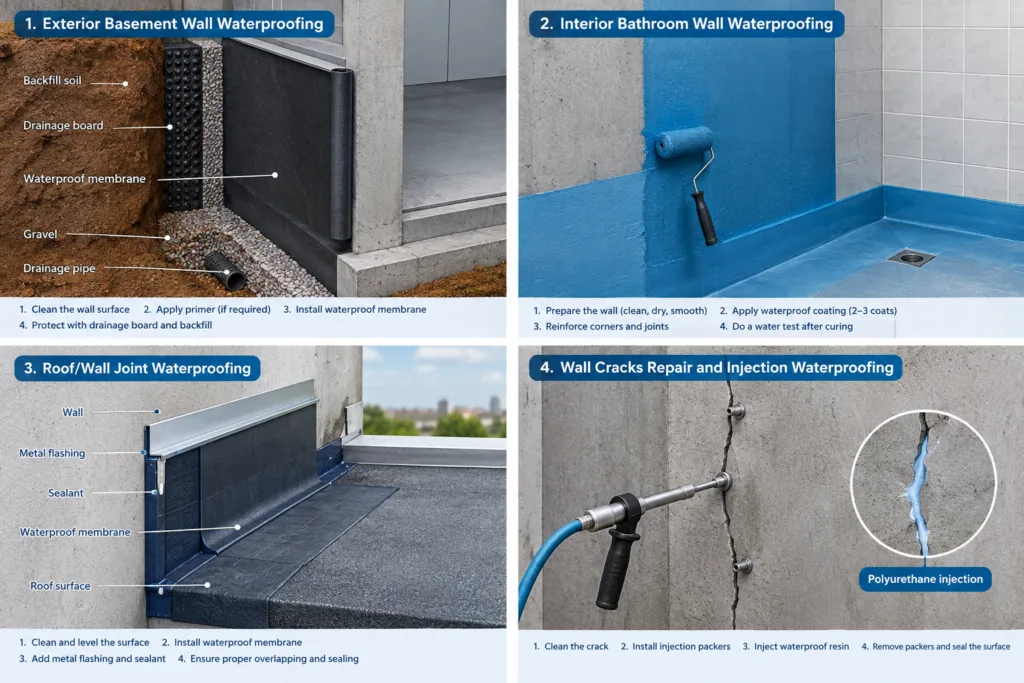
Basement walls can be exposed to soil moisture and groundwater pressure. For new construction, exterior waterproofing is commonly preferred because it protects the wall before water reaches the structure.
Possible solutions include:
- Pre-applied waterproofing membranes
- Self-adhesive bituminous membranes
- HDPE waterproofing membranes
- Liquid-applied waterproofing systems
Drainage and protection layers should also be considered where required by the project design.
Foundation Wall Waterproofing
Foundation walls are normally located below ground level and may remain in contact with soil moisture for the life of the building.
A suitable waterproofing system should consider:
- Groundwater conditions
- Soil conditions
- Water pressure
- Backfilling method
- Mechanical protection
- Construction sequence
Pre-applied and externally applied membrane systems are commonly considered for new foundation construction.
Retaining Wall Waterproofing
Retaining walls may experience moisture from the retained soil as well as hydrostatic pressure.
Waterproofing should therefore be coordinated with drainage and structural details.
Depending on the construction method, membrane waterproofing, liquid-applied systems, or other compatible waterproofing solutions may be used.
Exterior Wall Waterproofing
Above-ground exterior walls may be exposed to:
- Rain
- Wind-driven rain
- UV radiation
- Temperature changes
- Freeze-thaw conditions in cold climates
For exposed applications, weather resistance and UV resistance may become more important than they are for underground structures.
Bathroom and Wet Area Waterproofing
Bathrooms, kitchens, and other wet areas are commonly waterproofed before the installation of tiles or other finishes.
The waterproofing system should cover not only the main wall surface but also:
- Wall-floor junctions
- Internal corners
- Pipe penetrations
- Drainage areas
- Construction joints
Proper detailing is critical because water can enter through small gaps even when the main wall surface is properly waterproofed.
Wall Waterproofing for Renovation Projects
Renovation projects often present different challenges from new construction.
The existing wall may contain:
- Cracks
- Loose coatings
- Existing waterproofing
- Damp areas
- Contaminants
- Irregular surfaces
- Active leakage
For renovation work, liquid-applied or self-adhesive waterproofing systems can be useful where conventional membrane installation is difficult.
The substrate should always be inspected and prepared before waterproofing.
Waterproofing Around Joints, Cracks and Penetrations
A wall waterproofing system can fail even when the main waterproofing material is performing properly if weak details are not treated correctly.
Common vulnerable areas include:
- Construction joints
- Expansion joints
- Wall-floor junctions
- Cracks
- Pipe penetrations
- Window frames
- Drainage outlets
- Membrane termination points
Depending on the detail and movement requirements, suitable materials may include:
- PU sealants
- Hybrid polymer sealants
- Waterproofing tapes
- Joint treatment materials
- Crack repair products
- PU injection grouts
A waterproofing system is only as reliable as its weakest detail. Therefore, joints and penetrations should be included in the waterproofing design from the beginning rather than treated as an afterthought.
How to Choose the Right Wall Waterproofing Material
The best way to select a wall waterproofing material is to start with the application conditions, not simply the product name.
1. Consider Water Exposure
First determine what type of water the wall may encounter:
- Rainwater
- Soil moisture
- Groundwater
- Hydrostatic pressure
- Occasional humidity
- Continuous water contact
A wall exposed to groundwater pressure requires a different waterproofing approach from an interior bathroom wall.
2. Consider the Construction Stage
Determine whether the project is:
- New construction
- Waterproofing before concrete casting
- Waterproofing after concrete construction
- Renovation
- Leakage repair
For example, a pre-applied membrane may be appropriate before concrete casting, while a liquid-applied coating may be more practical for an existing wall during renovation.
3. Check the Substrate
Common substrates include:
- Concrete
- Cement mortar
- Masonry
- Metal
- Existing waterproofing layers
- Other construction materials
The waterproofing material must be compatible with the substrate and properly prepared before application.
4. Consider Environmental Exposure
For exposed walls, consider:
- UV exposure
- Rain
- Temperature changes
- Weathering
- Mechanical impact
For underground walls, consider:
- Soil conditions
- Groundwater
- Water pressure
- Chemicals in the soil
- Backfilling conditions
5. Consider the Required Service Life
Waterproofing should be selected according to the expected service life and maintenance requirements of the building.
For large commercial or infrastructure projects, it is especially important to consider the waterproofing system as a whole rather than selecting an individual product in isolation.
FortisMate Wall Waterproofing Solutions
FortisMate provides waterproofing materials for new construction, renovation, underground structures, and leakage-repair applications.
Our waterproofing product range includes:
- HDPE pre-applied waterproofing membranes
- Self-adhesive bituminous waterproofing membranes
- PVC waterproofing membranes
- TPO waterproofing membranes
- Polymer cementitious waterproofing coatings
- Polyurethane waterproofing materials
- PU injection grouts
- Crystalline waterproofing materials
- Waterproofing repair products
Different products are designed for different construction conditions.
For example:
| Application | Suitable Waterproofing Options |
|---|---|
| Underground wall before concrete casting | HDPE pre-applied / pre-applied bituminous membrane |
| Underground wall after concrete construction | Self-adhesive bituminous / liquid-applied systems |
| Concrete or cement-based wall | Polymer cementitious coating |
| Exposed waterproofing application | PVC / TPO / other suitable polymer membranes |
| Renovation without flame application | Self-adhesive or liquid waterproofing systems |
| Active water leakage | PU injection / leakage repair system |
The correct product should be selected according to the substrate, water exposure, construction sequence, environmental conditions, and project requirements.
For contractors, distributors, importers, and construction-material partners, FortisMate can provide product information, technical documents, application recommendations, and waterproofing solutions for different project conditions.
Frequently Asked Questions About Wall Waterproofing
What is the best waterproofing for concrete walls?
The best waterproofing for a concrete wall depends on the application. Polymer cementitious coatings can be suitable for many concrete and cement-based walls, while sheet membranes or pre-applied membranes may be more appropriate for underground structures.
What is the best waterproofing method for basement walls?
For new basement construction, exterior waterproofing is commonly preferred because it can protect the structure from groundwater and soil moisture before water reaches the wall.
Pre-applied membranes, self-adhesive bituminous membranes, HDPE membranes, and other suitable systems may be considered depending on the construction method.
Can waterproofing be applied from the inside of a wall?
Yes. Interior waterproofing can be used when exterior access is unavailable, particularly in renovation projects and wet areas.
However, if water is entering under pressure from the outside, the underlying water source should be evaluated before selecting an interior waterproofing system.
What is the difference between liquid waterproofing and waterproofing membranes?
Liquid waterproofing is applied as a coating and cures to form a continuous waterproof layer. It can be useful for irregular surfaces and complex details.
Sheet membranes are manufactured with a defined thickness and installed as a membrane layer. They are commonly used where a durable, continuous waterproofing barrier is required.
Can waterproofing stop active water leakage?
Not always. Active leakage may require crack repair, sealing, drainage improvement, or injection waterproofing before or together with the main waterproofing system.
Simply applying a surface coating over an active water path may not solve the underlying problem.
What waterproofing material is suitable for underground walls?
For underground walls, suitable options may include pre-applied membranes, HDPE membranes, self-adhesive bituminous membranes, and other systems designed for below-grade waterproofing.
The final choice should consider groundwater pressure, soil conditions, construction sequence, substrate, and protection requirements.
How long does wall waterproofing last?
The service life of a waterproofing system depends on the material, installation quality, environmental exposure, substrate conditions, detailing, and maintenance.
For this reason, waterproofing should be selected as part of a complete building protection system rather than based only on the expected life of an individual product.
Conclusion
Wall waterproofing is an important part of protecting buildings from water infiltration and moisture-related deterioration.
The right waterproofing solution depends on several factors, including wall location, water exposure, substrate, construction stage, environmental conditions, detailing requirements, and expected service life.
For basement, foundation, and retaining walls, external or pre-applied waterproofing systems may be appropriate for new construction. For concrete walls, bathrooms, wet areas, and renovation projects, liquid-applied or cementitious waterproofing systems may offer practical solutions. Active leakage and cracks may require specialized repair or injection systems.
Most importantly, waterproofing should be considered as a complete system, including the main waterproofing layer, joints, penetrations, drainage, protection, and repair details.
FortisMate supplies waterproofing materials and technical support for contractors, distributors, importers, and construction-material partners worldwide.
Looking for the right wall waterproofing solution for your project? Contact FortisMate to discuss your application and waterproofing requirements.