welcome
-
linshizi@fortismate.com ; sales@fortismate.com




Product Knowledge
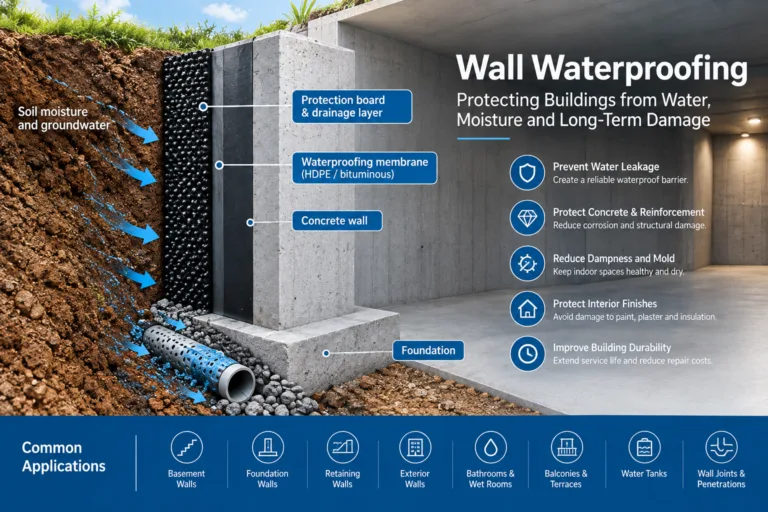
Wall Waterproofing: Types, Methods, Materials and Applications
Wall waterproofing is an important part of protecting buildings from water infiltration, moisture damage, and long-term deterioration. Walls may be exposed to rainwater, groundwater, soil moisture, water pressure, plumbing leaks, or humidity…
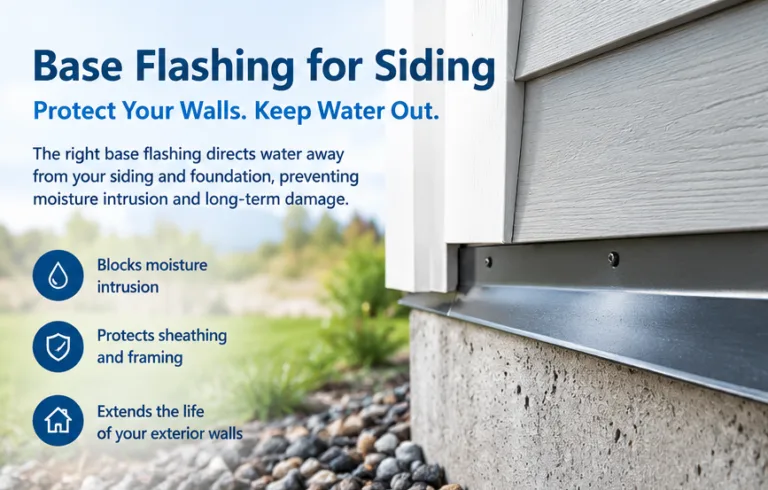
Base Flashing for Siding: Materials, Installation & Waterproofing Guide
The bottom edge of a siding system is one of the most vulnerable areas of an exterior wall. Rainwater, runoff, and splash-back can repeatedly expose this area to moisture, especially where siding…
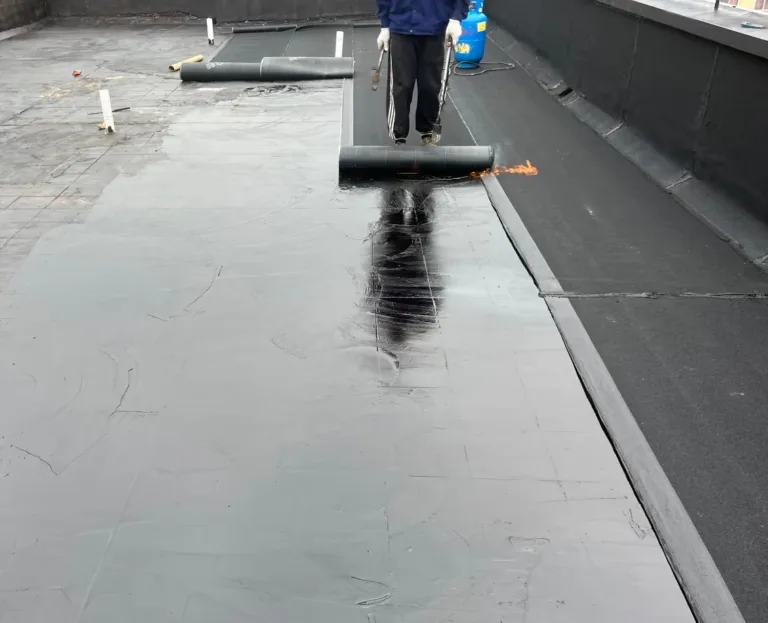
APP vs SBS Membrane: Differences, Applications & Selection Guide | FortisMate
APP vs SBS Membrane: What Is the Difference and Which Waterproofing Membrane Should You Choose? When selecting a modified bitumen waterproofing membrane, two of the most widely used options are APP modified…
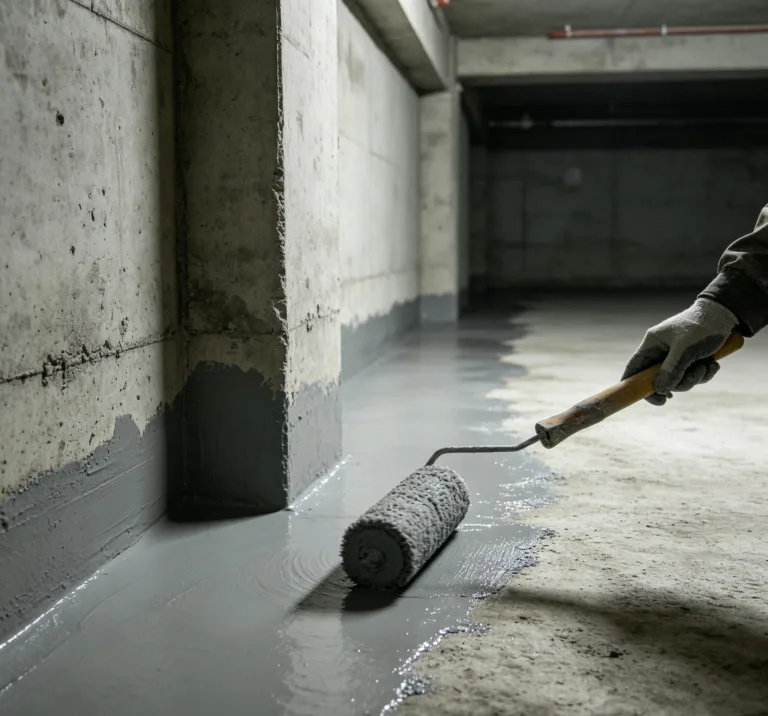
Cementitious Waterproofing: Types, Advantages, Limitations and Alternatives
Learn about cementitious waterproofing, its main types, advantages and limitations, and discover how flexible waterproofing systems can provide alternative solutions for demanding construction projects.
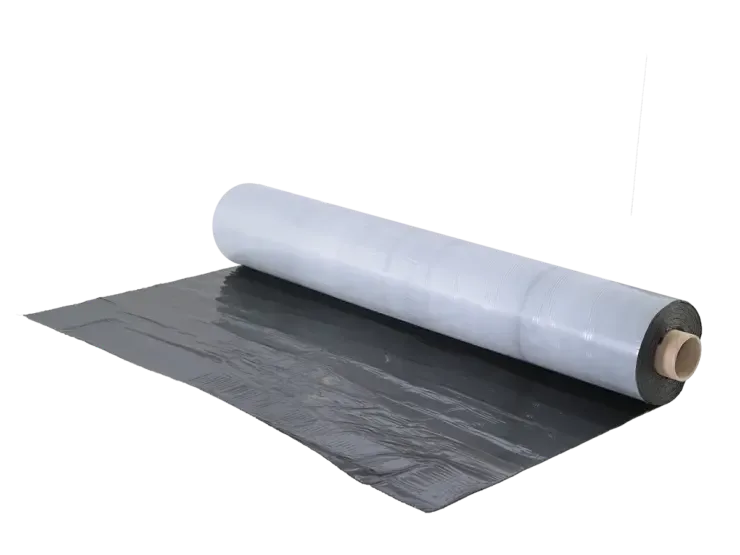
Waterproofing Membranes: Applications, Types, and FortisMate® Solutions
Water intrusion can have a significant impact on the durability, performance, and long-term value of a building. Rain, snow, surface runoff, groundwater, and hydrostatic pressure can all create pathways for moisture to…
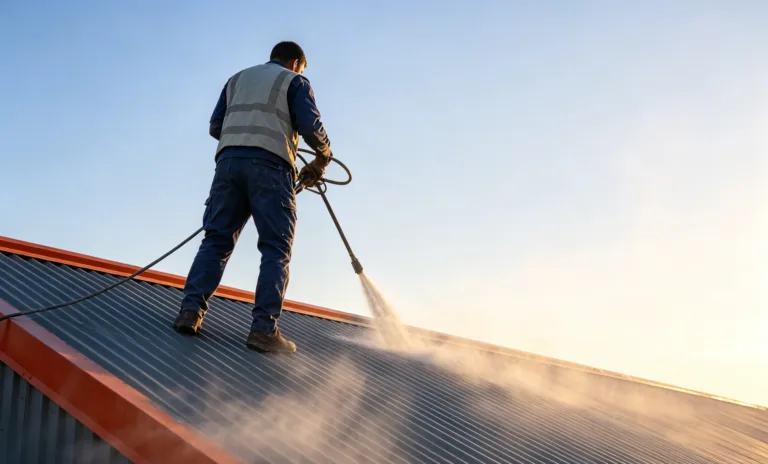
What is Polyurea?
Polyurea is a high-density macromolecular polymer made from isocyanate and polyether resin. When these two raw materials are mixed and sprayed with professional equipment, rapid curing takes place, forming a flexible, robust…
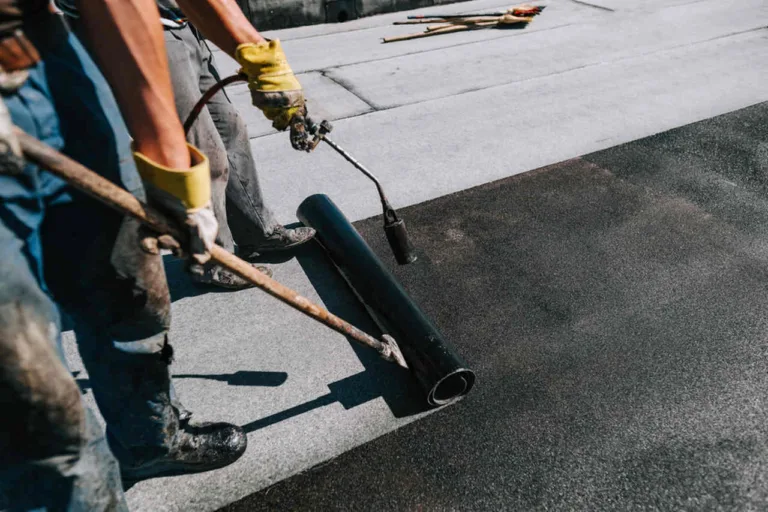
What Are Bitumen And Bitumen Waterproofing?
Bitumen is the core raw material for bituminous waterproofing systems. It is a hydrocarbon mixture naturally occurring in oil sands, pitch lakes and other deposits, or industrially produced via crude oil distillation…