welcome
-
linshizi@fortismate.com ; sales@fortismate.com



Waterproofing Membranes: Applications, Types, and FortisMate® Solutions
Water intrusion can have a significant impact on the durability, performance, and long-term value of a building. Rain, snow, surface runoff, groundwater, and hydrostatic pressure can all create pathways for moisture to enter walls, foundations, roofs, balconies, and other structural areas.
A properly selected and professionally installed waterproofing membrane provides a continuous barrier designed to help prevent unwanted water penetration. For commercial, residential, and institutional construction, waterproofing is an important part of protecting the building envelope and maintaining a healthier, more durable indoor environment.
FortisMate® offers a range of waterproofing membrane systems designed for both above-grade and below-grade applications. Depending on the project requirements, these systems can help manage bulk water, water vapor, and moisture-related risks while supporting the long-term performance of the structure.
What Is a Waterproofing Membrane?
A waterproofing membrane is a protective layer installed on or within a building assembly to reduce or prevent water from reaching sensitive structural components.
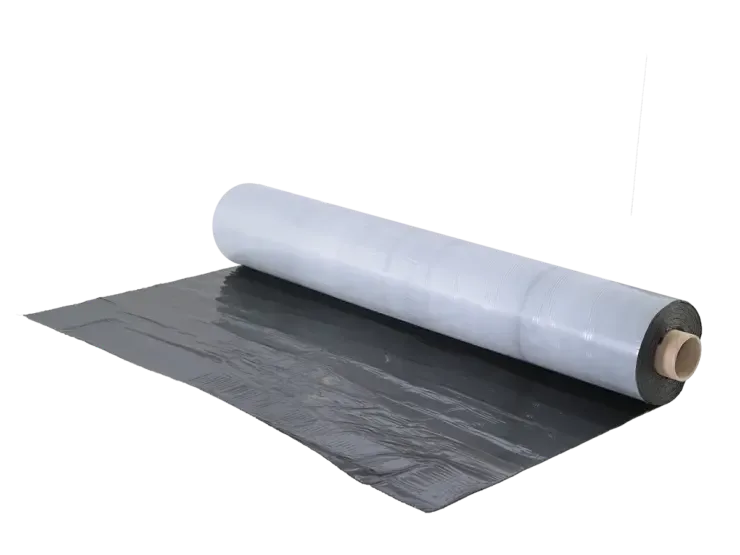
Membranes may be manufactured from materials such as modified bitumen, polymers, rubber, or liquid-applied elastomeric compounds. The appropriate membrane depends on factors such as the substrate, installation location, exposure conditions, expected water pressure, temperature range, and construction method.
When properly specified and installed, a waterproofing system can help protect foundations, walls, roofs, decks, balconies, plazas, and other areas exposed to moisture.
Why Waterproofing Matters
Water management is more than simply keeping a building dry. Persistent moisture can contribute to deterioration of building materials, staining, mold growth, corrosion, and damage to interior finishes.
A well-designed waterproofing system can provide several long-term benefits:
- Helps protect structural materials: Reducing water intrusion can help limit moisture-related deterioration of concrete, reinforcement, insulation, finishes, and other building components.
- Supports energy performance: Controlling unwanted air and moisture movement can contribute to a more efficient building envelope.
- Helps maintain appearance: Waterproofing can reduce moisture-related staining, discoloration, and deterioration of finished surfaces.
- Supports indoor environmental quality: Controlling moisture can help create a healthier and more comfortable interior environment.
- Reduces maintenance and repair risks: Preventing water from reaching vulnerable areas can help minimize costly remediation and replacement work.
Where Are Waterproofing Membranes Used?
Waterproofing membranes can be incorporated into many areas of a building, including both above-grade and below-grade assemblies.
Above-Grade Applications
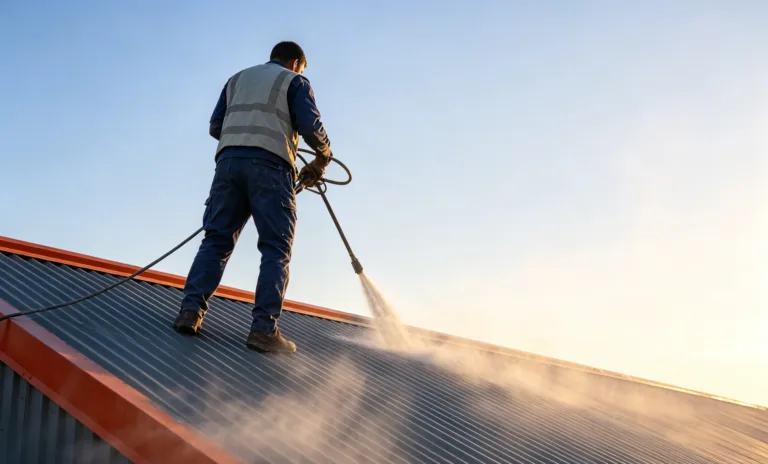
Above-grade waterproofing is commonly used where building components are exposed to rain, snow, temperature changes, sunlight, and traffic.
Typical applications include:
- Roofs and rooftop terraces
- Balconies and decks
- Parking structures
- Plazas
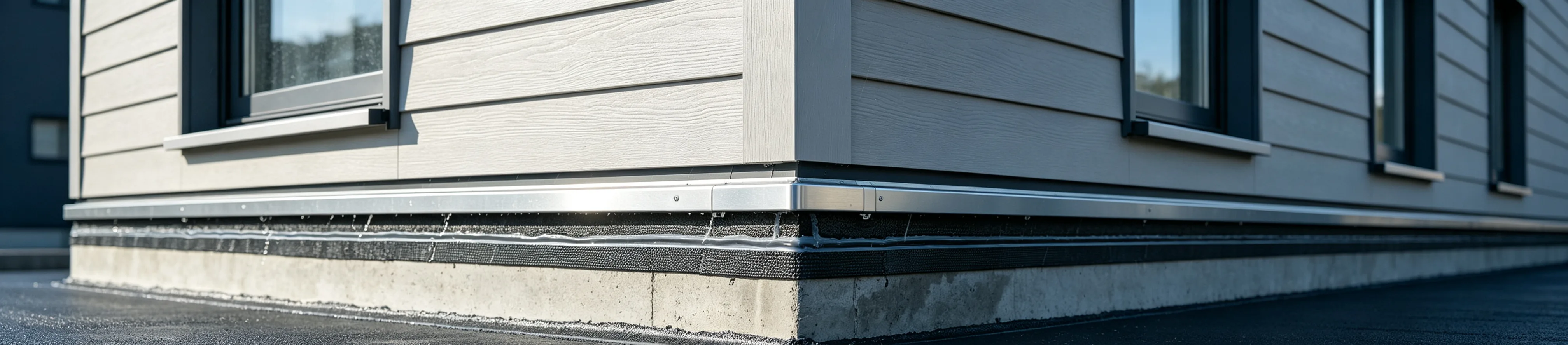
- Exterior walls
- Pedestrian areas
- Other exposed horizontal and vertical surfaces
These environments require membrane systems with properties suited to their specific exposure conditions.
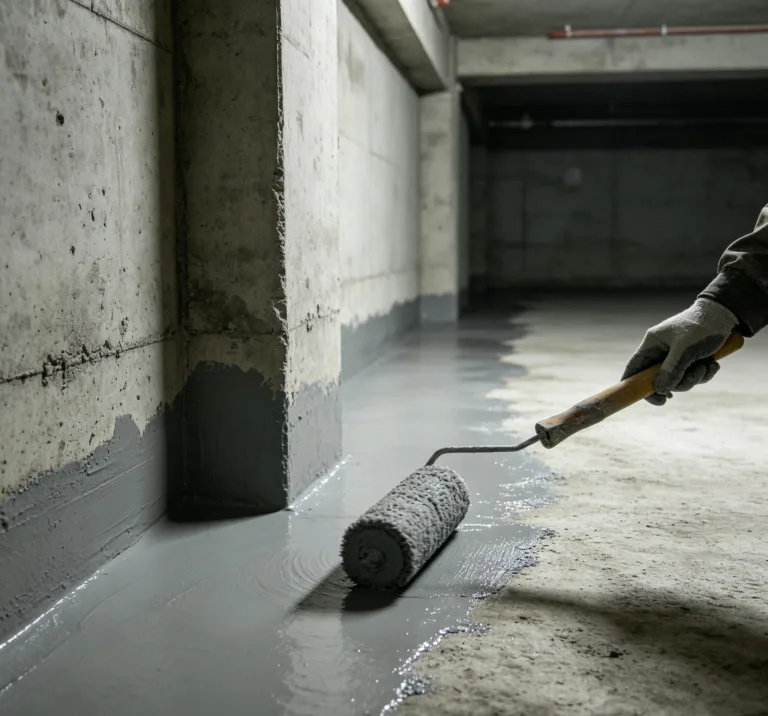
Below-Grade Applications
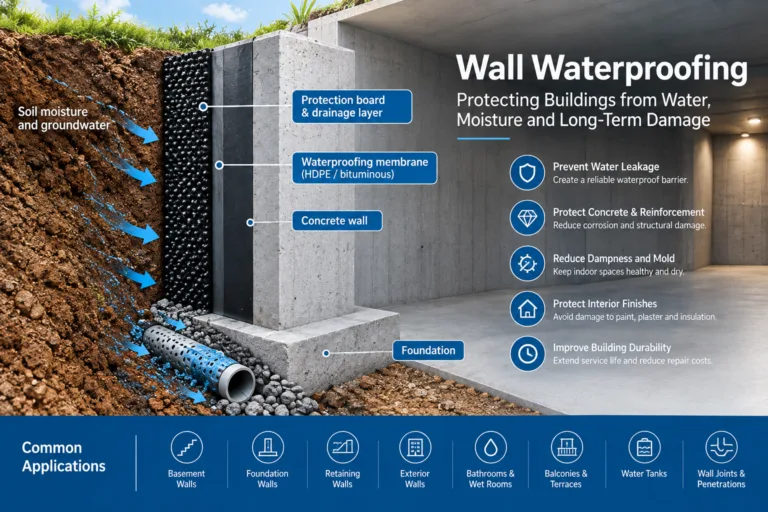
Below-grade construction presents different challenges because water can be driven toward the structure by groundwater and hydrostatic pressure.
Common applications include:
- Foundation walls
- Retaining walls
- Below-grade concrete structures
- Elevator pits
- Underslab assemblies
- Below-grade tunnels and other subterranean structures
For these applications, waterproofing systems must be selected with consideration for groundwater conditions, soil characteristics, hydrostatic pressure, construction sequencing, and substrate compatibility.
Positive-Side, Negative-Side, and Blindside Waterproofing
The location of a waterproofing membrane in relation to the structure is an important part of system design.
Positive-Side Waterproofing
Positive-side waterproofing is installed on the side of the structure that faces the source of water.
For many new construction projects, this is the preferred approach because the membrane can help prevent water from reaching the structural substrate in the first place.
Positive-side systems can also help protect concrete and other structural materials from moisture, freeze-thaw exposure, and potentially aggressive substances found in the surrounding environment.
FortisMate® offers membrane solutions for a variety of positive-side applications, including vertical foundation walls and below-grade concrete structures.
Negative-Side Waterproofing
Negative-side waterproofing is installed on the interior or dry side of a structure. It can be particularly useful when the exterior surface is inaccessible or when an existing structure requires remediation.
One advantage of negative-side installation is accessibility: the membrane may remain available for inspection, maintenance, or future repair.
However, because the waterproofing is located inside the structure, moisture may still reach the substrate from the exterior side. As a result, negative-side systems should be evaluated carefully based on the building’s construction, moisture conditions, and project objectives.
Blindside Waterproofing
Blindside waterproofing is used when the exterior face of a future foundation wall cannot be accessed after construction.
In a typical blindside installation, the waterproofing membrane and associated drainage components are installed against a soil-retention system or other supporting surface before the concrete foundation wall is placed.
The concrete wall is then constructed directly against the waterproofing assembly. This approach can be especially useful on sites with limited space or where excavation and access conditions make conventional exterior waterproofing impractical.
FortisMate® provides blindside and pre-applied membrane solutions designed for these demanding construction conditions.
Key Requirements for Above-Grade Waterproofing
Above-grade waterproofing systems must perform under changing environmental and physical conditions. Depending on the application, important performance characteristics may include:
UV Resistance
Roof and other exposed applications may receive prolonged sunlight. A suitable membrane system should be selected based on its resistance to ultraviolet exposure and the intended service environment.
Vapor Management
A waterproofing assembly should control liquid water while allowing the building system to manage water vapor appropriately. Vapor behavior should always be evaluated as part of the overall wall or roof assembly.
Abrasion Resistance
Parking decks, balconies, walkways, and other traffic-bearing surfaces may experience repeated mechanical wear. The waterproofing system should be compatible with the expected pedestrian, vehicle, and construction traffic.
Temperature Stability
Exterior surfaces can experience substantial temperature fluctuations. Membrane selection should account for the expected hot and cold conditions as well as movement within the substrate.
Chemical Resistance
Some environments expose waterproofing systems to chemicals, oils, de-icing materials, or other substances. The membrane should be selected according to the chemical exposure expected at the project site.
Key Requirements for Below-Grade Waterproofing
Below-grade environments can expose waterproofing membranes to continuous moisture and hydrostatic pressure.
Important considerations include:
- Resistance to hydrostatic pressure
- Compatibility with the surrounding soil and substrate
- Resistance to chemical exposure
- Flexibility and crack-bridging capability
- Low water absorption
- Consistent membrane thickness
- Compatibility with construction sequencing
- Long-term durability
Because site conditions vary significantly, the waterproofing system should be selected based on the specific building design and project environment.
Applicable building codes and project specifications should also be reviewed during system design. In the United States, foundation waterproofing and dampproofing requirements may be addressed by applicable editions of the International Building Code (IBC) and International Residential Code (IRC), together with local requirements.
FortisMate® Waterproofing Membrane Solutions
FortisMate® develops waterproofing systems designed to address a wide range of moisture-control challenges in residential, commercial, and institutional construction.
Our product portfolio includes pre-applied, post-applied, underslab, blindside, balcony, tile, and other specialty waterproofing solutions.
| Application Condition | FortisMate® Recommended Products |
|---|---|
| Reverse‑construction / blind‑side projects: install membrane before concrete pouring | PWM‑SAB / PWM‑HDPE (Pre‑applied series) |
| Damp substrates, no waiting for substrate drying, no open‑flame permitted (basement) | DSAB / SSAB (Wet‑lay self‑adhesive series) |
| Exposed roofs, UV‑resistance required, green roof applications | PM‑TPO / PM‑PVC / PM‑EPDM |
| Existing roof renovation (color‑steel sheet & old concrete roof, no open flame) | PMS‑TPO Self‑adhesive TPO |
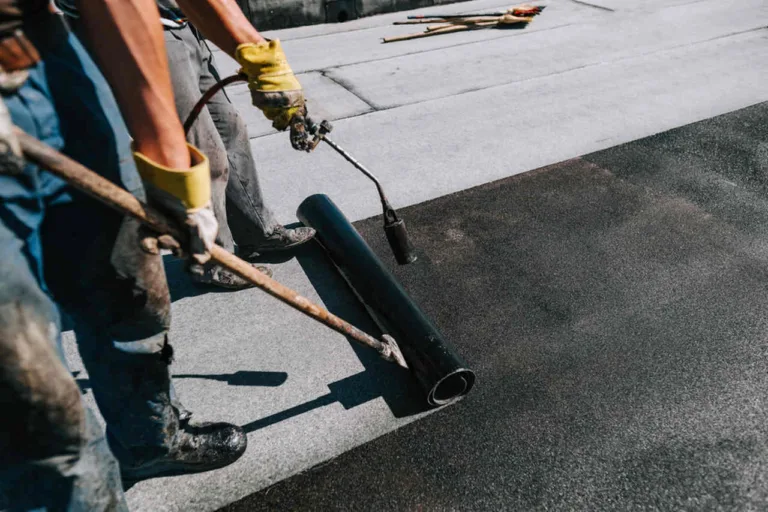
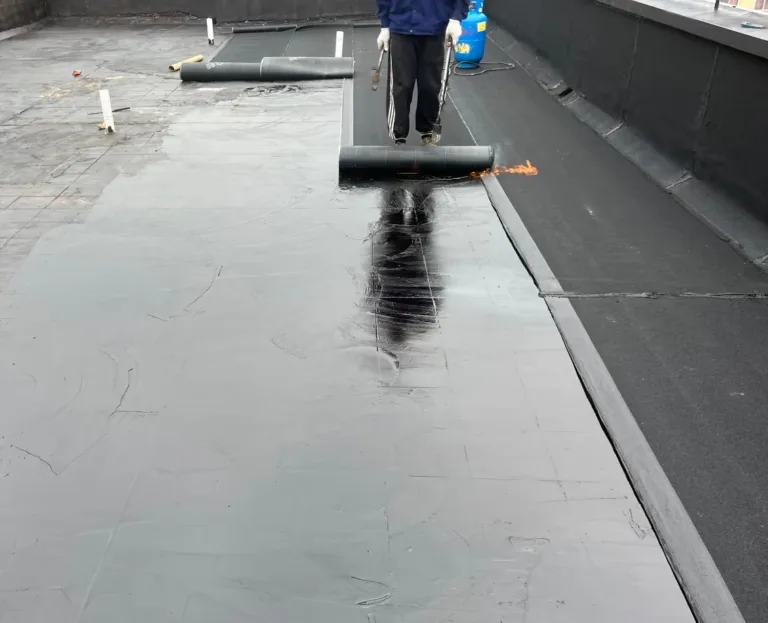
| Hot‑melt roofing for hot tropical climates | TA‑APP |
| Hot‑melt roofing for cold climates | TA‑SBS |
| Concrete structures, crystalline protection required, water tanks & hydraulic projects | LR‑CCCW |
| Active water leakage, fast spot water‑stopping | LR‑PA (surface plugging) |
| Water gushing from cracks | LR‑WPU injection grout |
| Composite waterproofing system, anti‑water‑channeling used with membranes | SBC‑NCRB non‑curing rubber bitumen |
Choosing the Right Waterproofing Membrane
No single waterproofing membrane is appropriate for every project. Before selecting a system, designers and contractors should consider several factors:
Substrate compatibility: The membrane must be suitable for the concrete, masonry, wood, metal, or other substrate to which it will be applied.
Installation conditions: Temperature, humidity, surface moisture, cleanliness, and other site conditions can affect membrane installation and performance.
Water exposure: The expected source and severity of water exposure should be evaluated, including rainfall, groundwater, runoff, and hydrostatic pressure.
Construction sequence: Pre-applied, post-applied, and blindside systems have different installation requirements and should be coordinated with the construction schedule.
Movement and cracking: The expected movement of the substrate should be considered when selecting a membrane with the appropriate flexibility and crack-bridging characteristics.
Exposure conditions: UV exposure, temperature variation, traffic, chemicals, soil conditions, and other environmental factors should be considered for the specific application.
Build Better Moisture Protection with FortisMate®
Effective waterproofing begins with understanding where water can enter a structure and selecting a membrane system designed for the conditions.
From foundations and underslab assemblies to balconies, tile installations, and exterior concrete walls, FortisMate® provides a range of waterproofing membrane solutions for different construction needs.
By incorporating an appropriately specified waterproofing system into the building envelope, contractors, architects, and building owners can help protect structural components, reduce moisture-related problems, and improve the long-term performance of the building.
For product selection, installation requirements, and project-specific recommendations, consult FortisMate® product documentation and technical professionals to determine the appropriate waterproofing solution for your application.