welcome
-
linshizi@fortismate.com ; sales@fortismate.com



What Are Bitumen And Bitumen Waterproofing?
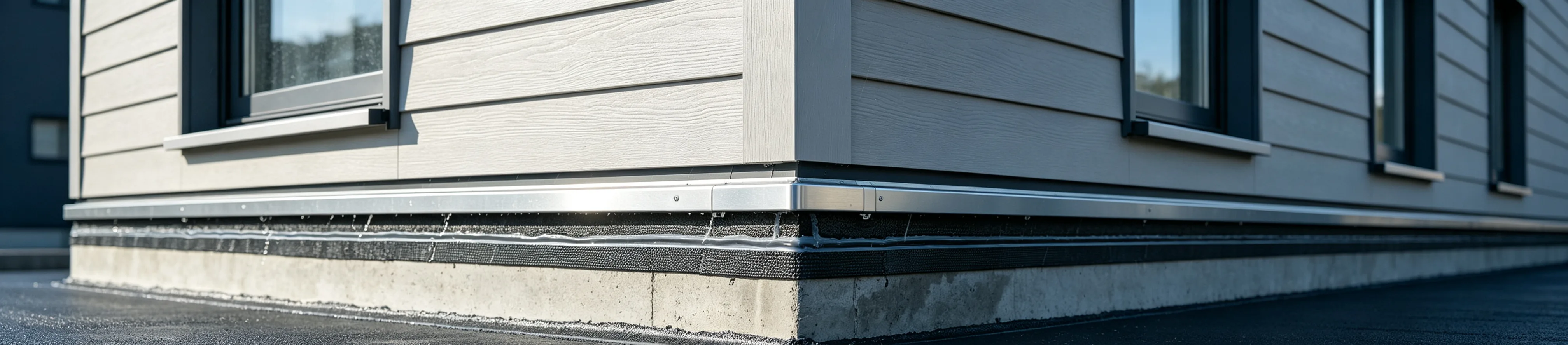
Bitumen is the core raw material for bituminous waterproofing systems. It is a hydrocarbon mixture naturally occurring in oil sands, pitch lakes and other deposits, or industrially produced via crude oil distillation in refineries. During distillation, light oil fractions vaporize and rise upward, while heavy substances including bitumen sink to the bottom of the distillation column.
In oil refining, crude oil is stripped of light fractions like liquefied petroleum gas, gasoline and diesel. The heavy residue left behind is bitumen. Its performance grade is determined by the residual volatile content within the distilled bitumen.
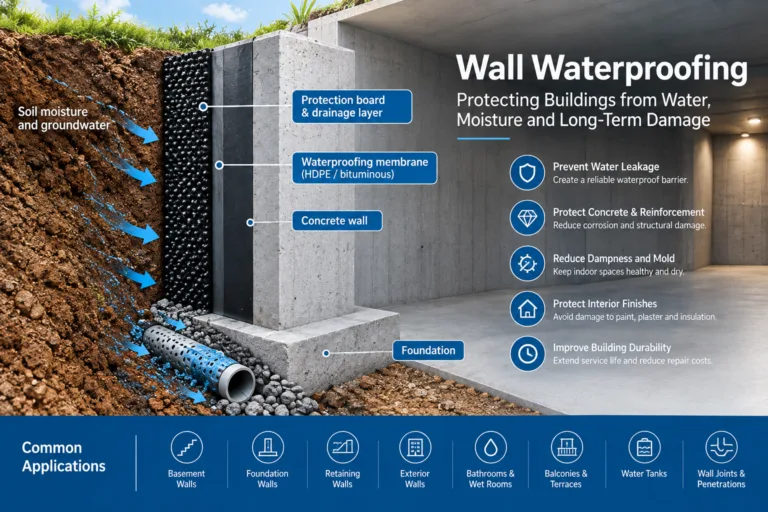
Bitumen can be applied either in neat form or blended with other ingredients, based on specific usage scenarios. As a binding agent, it is widely incorporated into asphalt for pavements including roadways, runways, parking lots and pedestrian walkways. In the construction industry, bitumen blends deliver superior waterproof performance for projects ranging from underground basements to roof systems.
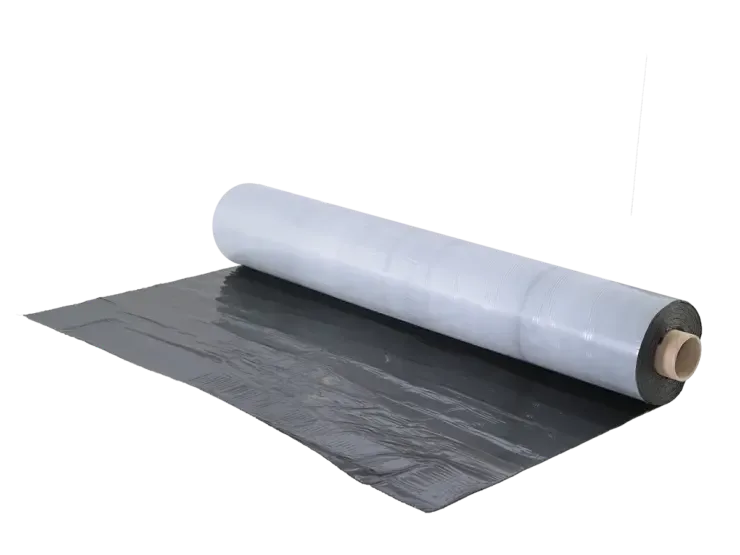
Polymer-modified bitumen is engineered to boost overall performance and manufactured into diversified construction products. It acts as the primary functional component of various waterproofing supplies, such as sealants, mastics, adhesives and protective coatings.
Why Bitumen is Popular in Waterproofing Sector?
First and foremost, bitumen delivers excellent cost efficiency as it is a by-product of crude oil distillation. After refining primary oil fractions including petrol, diesel, high-octane fuels and gasoline, bitumen remains as the residual heavy component.
Furthermore, bitumen boasts versatile performance characterized by viscoelastic and thermoplastic properties. Its viscous and elastic traits shift dynamically according to ambient temperature and load duration. Under high temperatures or prolonged load exposure, bitumen acts as a viscous fluid; at low temperatures or under rapid short-term loading, it performs like an elastic solid.
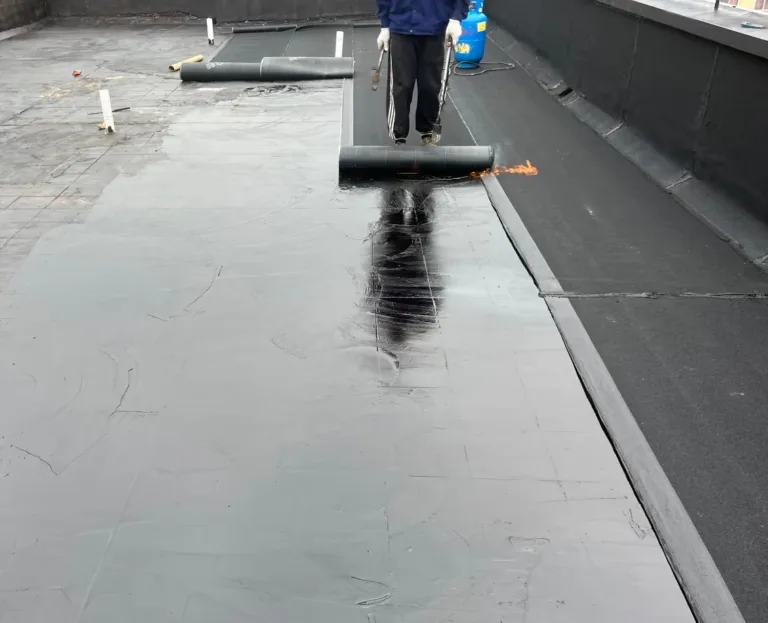
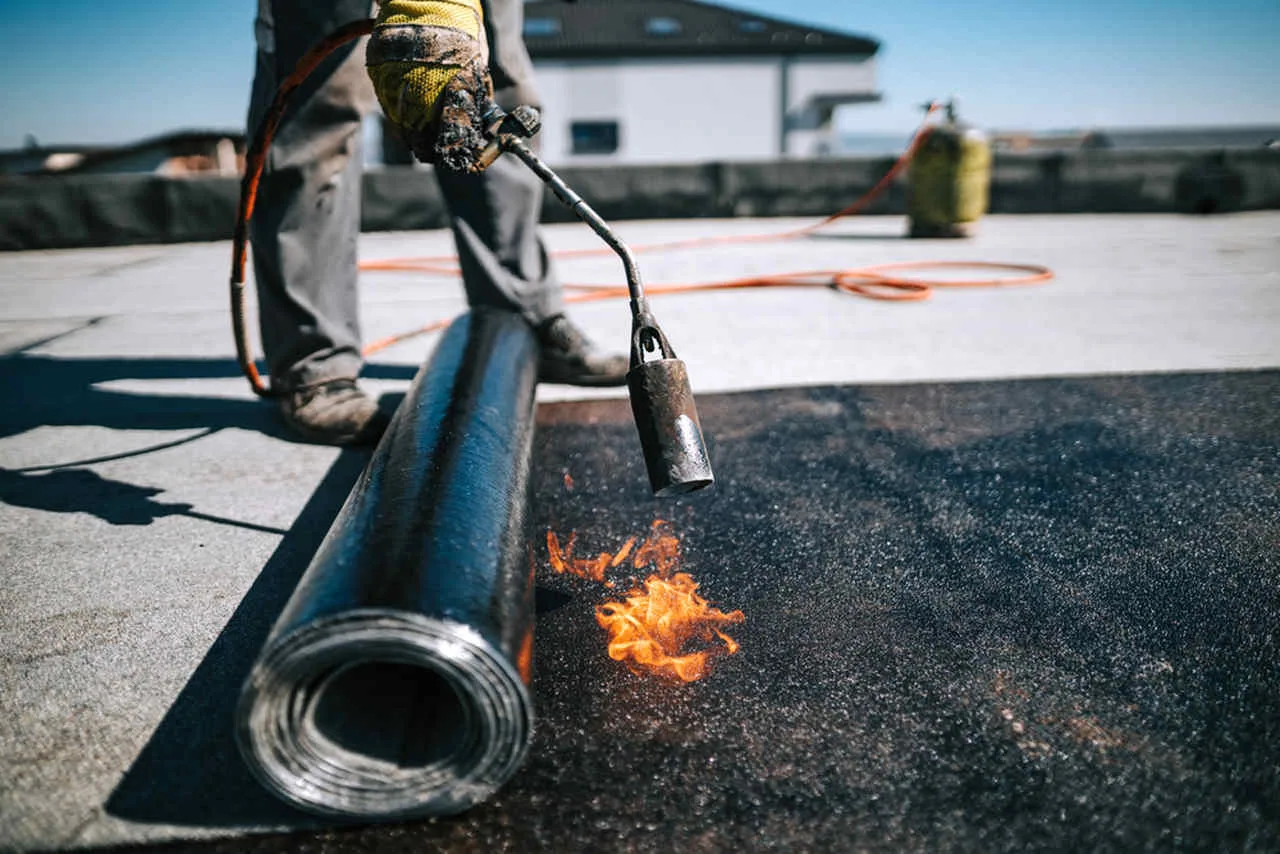
Bitumen features a relatively low melting point, allowing simple heating and melting during on-site construction. It also possesses outstanding adhesion to firmly bond different substrates together. Combined, these advantages make bituminous waterproofing one of the most practical and adaptable solutions for a wide range of construction applications.
What Are FortisMate Bitumen Products And Their Advantages?
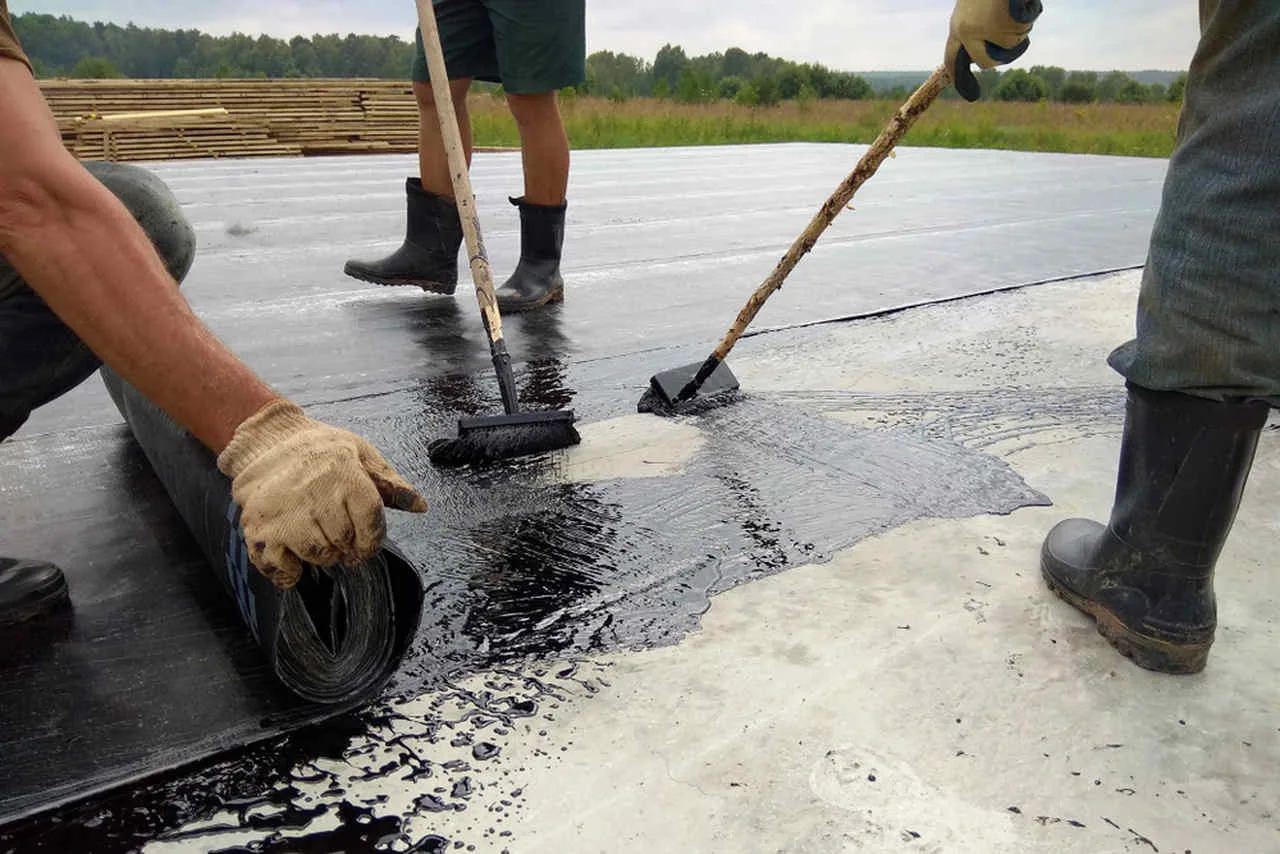
Bituminous waterproofing materials cover an extensive scope of application scenarios. FortisMate supplies a full lineup of bitumen-based waterproofing products tailored to diverse project requirements. Our portfolio includes single-component and two-component bitumen waterproofing solutions, supplied in both solid and liquid forms, with a host of outstanding functional advantages.
Our product range features rubber-modified and polyurethane-blended variants, each engineered to deliver distinct performance characteristics for different construction applications. The product lineup is offered in multiple formats, including waterproofing membranes, protective coatings, mastics and sealants. Core product strengths encompass exceptional adhesion, outstanding elasticity, long-term durability, superior abrasion resistance, simple on-site installation and cost-effectiveness.
If you wish to explore further details about bituminous waterproofing and other waterproofing material categories, please refer to our dedicated guide: What Are The Waterproofing Materials: All Types, Uses, And Features.
Bring to the table win-win survival strategies to ensure proactive domination. At the end of the day, going forward, a