welcome
-
linshizi@fortismate.com ; sales@fortismate.com



How To Make Concrete Waterproof
As cold weather sets in and rainfall intensifies, waterproofing issues move to the top of priority lists for countless property owners. If buildings lack proper waterproofing treatment, rainwater will penetrate concrete components and inflict permanent, irreversible structural degradation and functional impairment. Such recurring issues frequently raise a core question: how to effectively waterproof concrete structures.
Visible water seepage is a clear warning sign that a building’s waterproofing system has failed. Water infiltrates concrete through tiny cracks and capillary voids, spreads gradually within the matrix, and eventually emerges as surface leaks after penetrating through the concrete layer. Every time water comes into contact with the concrete substrate, it progressively erodes the material’s inherent performance.
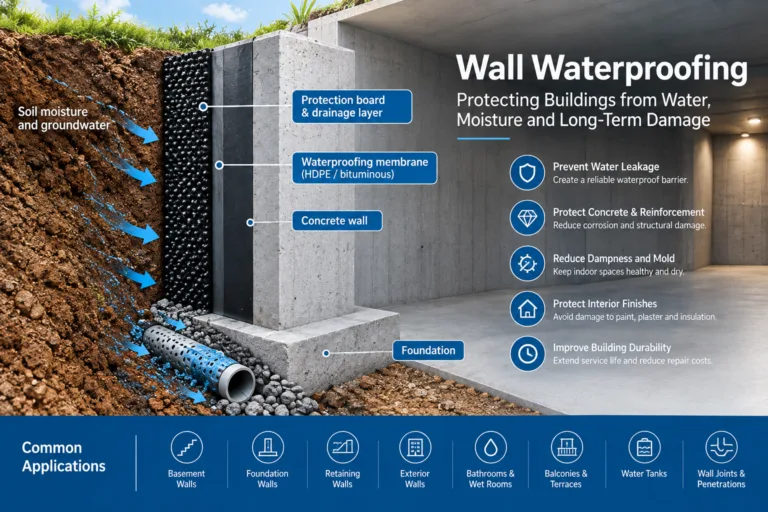
When leaks appear on rooftops and terraces, property owners often panic and ask, “My concrete is leaking — how can I fix it?” Most rush to hire construction contractors without understanding the root solutions for concrete seepage. The risks escalate drastically when leaks occur at building foundations: groundwater seeping into foundation concrete triggers severe, permanent damage, as moisture undermines the entire structure from its base upward.
This underscores the vital necessity of concrete waterproofing. To deliver safe, durable buildings, concrete must be fully isolated from moisture exposure via standardized, professional waterproofing work. Having outlined the core importance of concrete waterproofing, we will next elaborate on concrete structural reinforcement and its proper implementation methods.
How To Make Reinforced Concrete
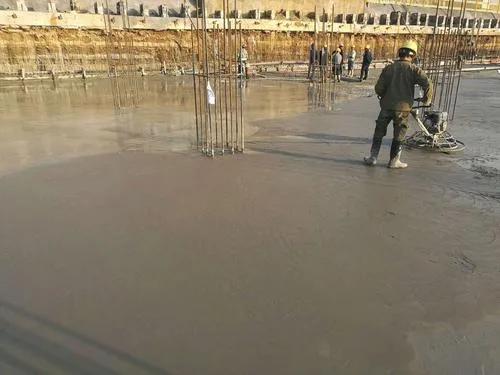
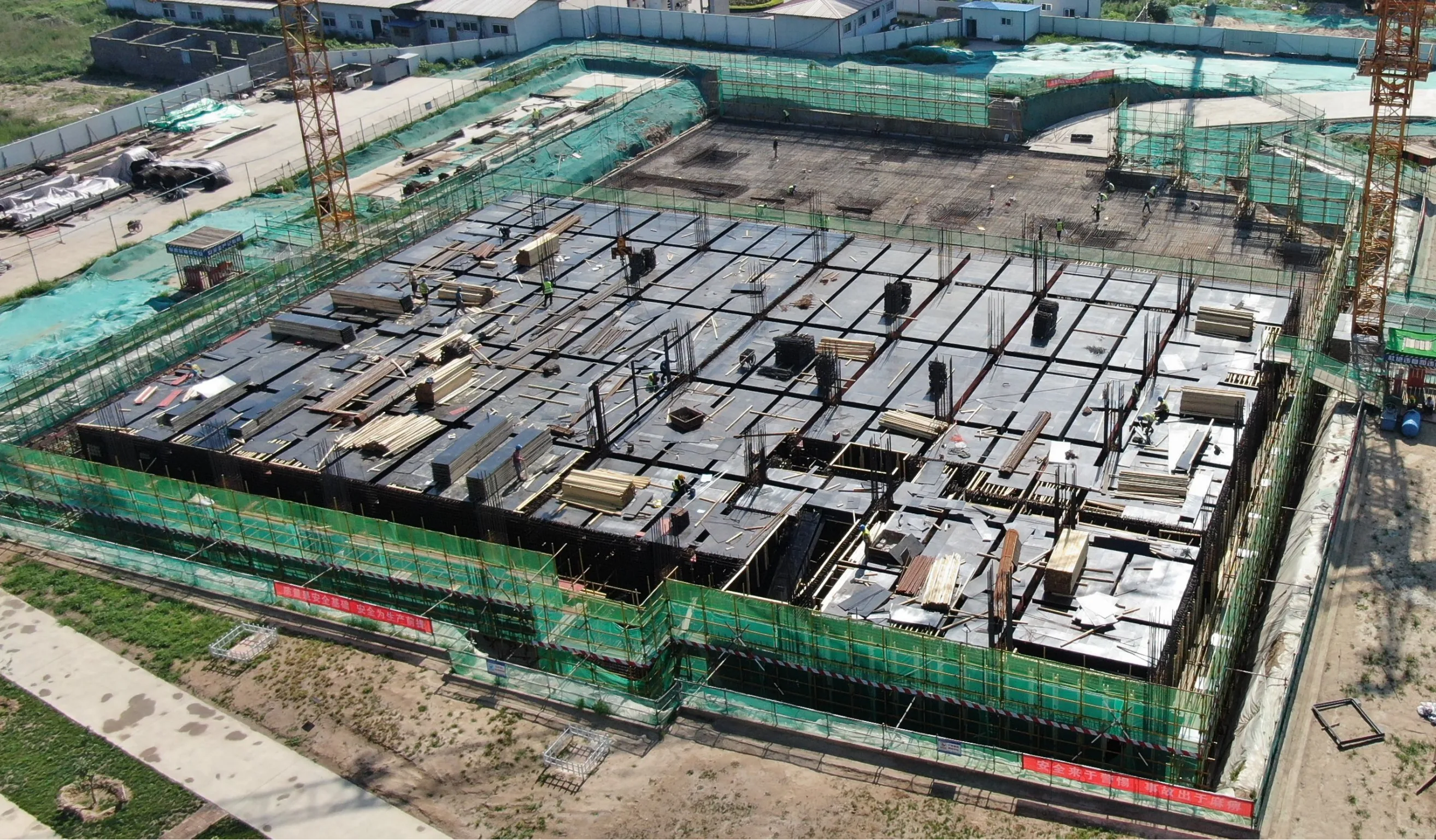
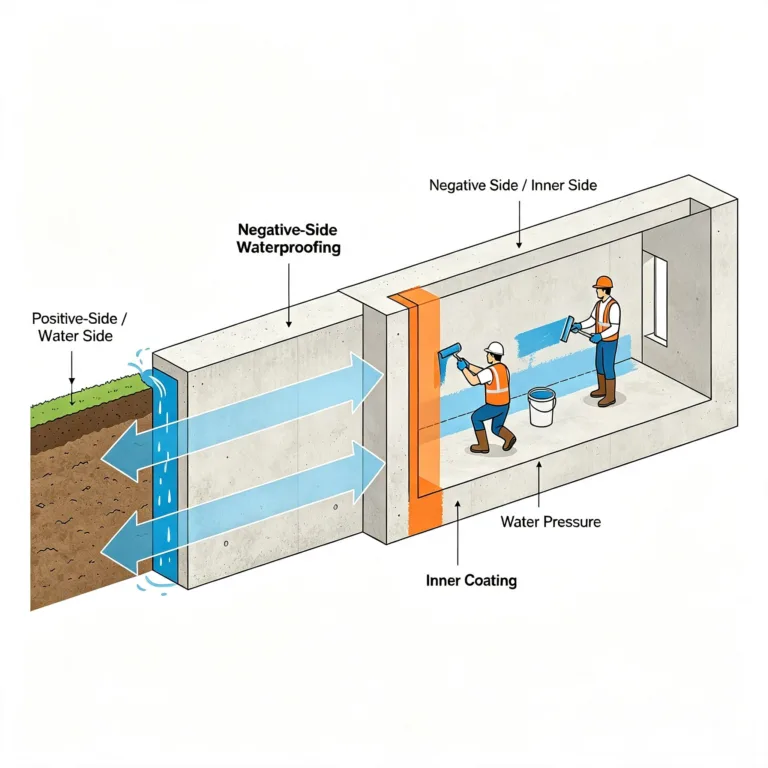
What is concrete reinforcement? Effective building waterproofing relies on dual internal and external protection. It requires tailored waterproofing solutions for every zone, from basements to rooftops, to block both internal and external water infiltration.
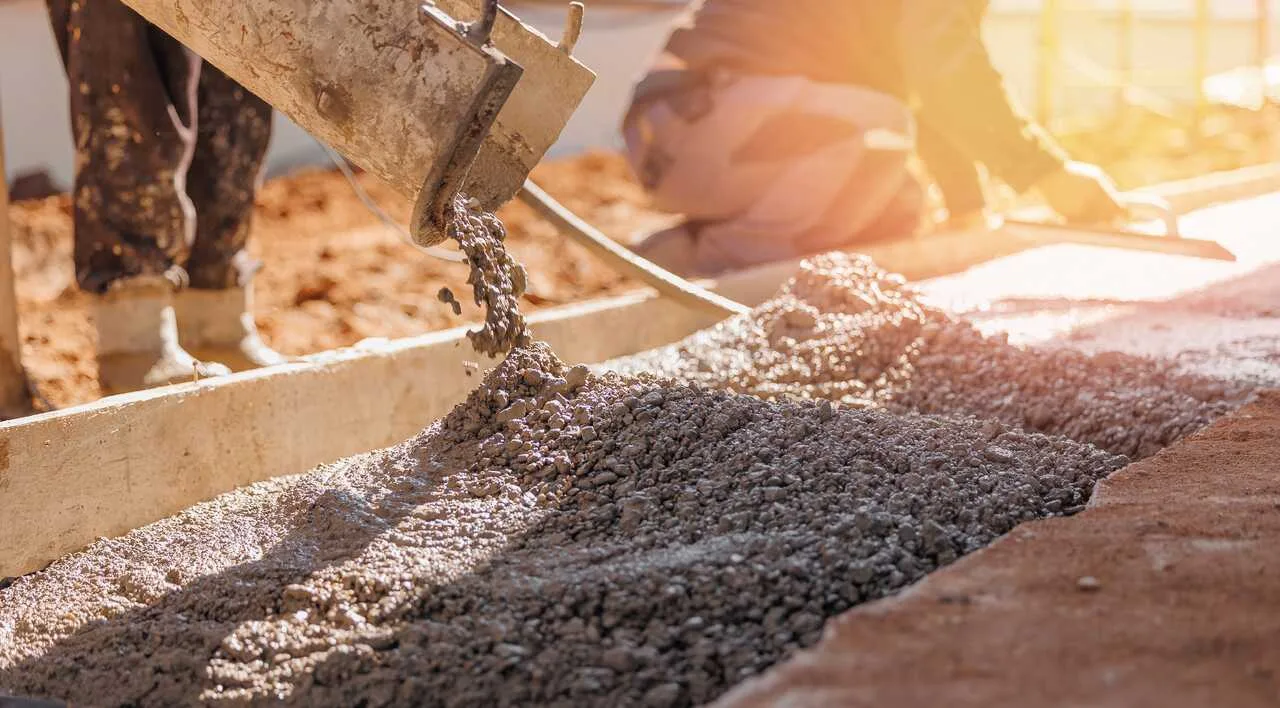
Waterproofing products can be applied directly onto cured concrete or mixed into cement mortar during concrete pouring. Integrating dedicated waterproofing admixtures into fresh concrete renders the structure inherently waterproof.
For more details on concrete waterproofing techniques and waterproof concrete admixtures, explore the professional content compiled by FortisMate.
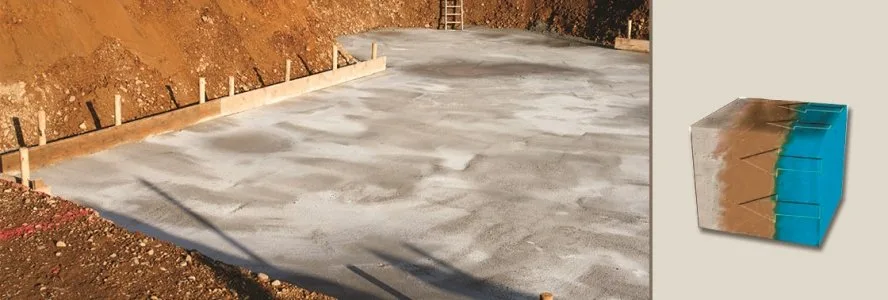
What Is Admixture In Concrete & Why We Use Admixture In Concrete
These specialized substances are known as waterproofing concrete admixtures. Why are waterproofing admixtures widely incorporated into concrete? Blended into fresh cement slurry during mixing, these admixtures solidify concrete and deliver full, long-term water resistance. They deliver a crystalline reaction: upon contact with internal moisture, they form crystalline fibers that plug concrete pores and capillary voids, creating a permanent impermeable barrier.
The crystalline reaction reactivates each time the material meets water, continuously boosting concrete performance. This produces robust, long-lasting concrete fully resistant to water erosion — the core benefit of waterproofing concrete admixtures.
Waterproof protection is critical for all construction projects. Moisture penetrating concrete reaches internal steel reinforcement, triggering corrosion and irreversible structural deterioration. Any rooftop seepage signals water has permeated the concrete matrix, gradually degrading the material’s mechanical properties.
The risks grow far greater at building foundations: compromised waterproofing here impairs the primary load-bearing components, leading to permanent structural failure. Accordingly, structures require comprehensive internal and external waterproof protection across all areas.
Mixing waterproofing admixtures into fresh concrete is an effective method to produce water-resistant, high-strength, durable concrete. For full details on FortisMate’s range of concrete and grout admixtures, reach out to our professional technical team.