welcome
-
linshizi@fortismate.com ; sales@fortismate.com



Water Tank Waterproofing: Key Considerations & Fortismate Solution Guide
Water tanks and concrete reservoirs are designed to store and protect water for long periods. However, without a properly designed water tank waterproofing system, concrete cracking, groundwater pressure, chemical exposure and temperature fluctuations can lead to leakage, substrate deterioration and maintenance problems.
For this reason, choosing the right waterproofing solution for water tanks requires more than simply selecting a coating with high waterproof performance. The tank structure, water type, substrate, environmental conditions, cleaning chemicals and applicable regulatory requirements should all be considered before material selection.
Fortismate supplies a range of waterproofing membranes and liquid-applied waterproof coatings for construction, reservoirs, underground structures and water storage applications. This guide explains the key considerations for water tank waterproofing and introduces suitable Fortismate solutions for different applications.
Why Is Water Tank Waterproofing Important?
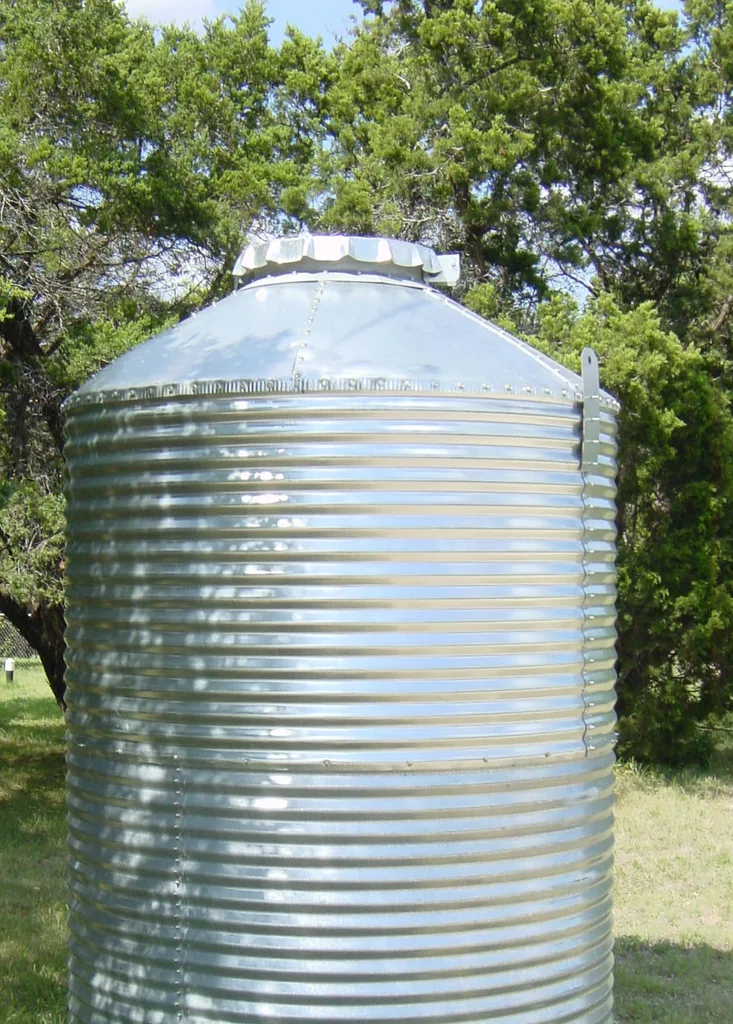
Water tank waterproofing helps protect both the stored water and the tank structure from water-related deterioration.
1. Prevents Water Leakage
Concrete is naturally porous. Cracks, construction joints, pipe penetrations and other weak points can become pathways for water leakage.
For underground tanks, external groundwater pressure can also drive moisture through concrete defects and into the tank.
A properly designed waterproofing system helps reduce water penetration and leakage risks while protecting the concrete substrate.
2. Protects the Concrete Structure
Repeated exposure to water, moisture and dissolved minerals can contribute to concrete deterioration over time.
Waterproofing creates a protective barrier between the substrate and the surrounding environment, helping extend the service life of concrete water tanks and reservoirs.
3. Helps Maintain Water Storage Conditions
For water storage facilities, maintaining a clean and well-protected internal environment is essential.
Surface defects, water penetration and poor drainage can create conditions that make tank cleaning and maintenance more difficult.
A suitable waterproofing system can provide a continuous, easy-to-maintain surface when properly designed and installed.
4. Reduces Damage from Temperature Fluctuations
Outdoor and above-ground water tanks may be exposed to significant temperature changes.
Solar radiation and high ambient temperatures can heat the tank surface, while cold climates may expose the structure to freezing conditions.
Depending on the project, waterproofing may be combined with suitable insulation and structural protection measures to reduce the impact of environmental temperature changes.
Key Requirements for Water Tank Waterproofing Materials
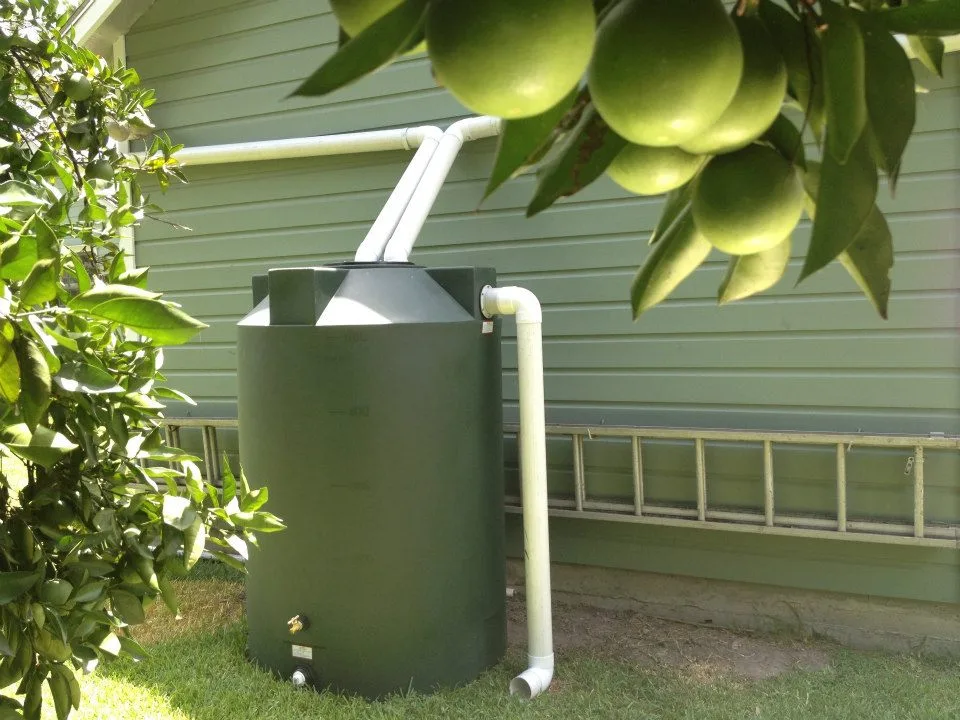
Selecting a waterproofing coating for water tanks requires careful consideration of both waterproofing performance and the intended use of the tank.
Important properties may include:
- Resistance to hydrostatic pressure
- Good adhesion to the substrate
- Resistance to moisture and mineral water
- Resistance to relevant cleaning chemicals
- Crack-bridging or flexibility where required
- Good durability under the expected service conditions
- Resistance to environmental exposure
- Easy application and maintenance
- Compatibility with the tank substrate
- Compliance with applicable water-contact regulations
For potable drinking water tanks, another requirement becomes particularly important: the waterproofing material must meet the applicable local or project-specific requirements for contact with drinking water.
Not every waterproof coating is suitable for permanent potable-water contact.
Fortismate note: Some Fortismate coating products have undergone laboratory immersion simulation tests. However, these tests do not automatically constitute potable-water certification. For permanent drinking-water storage projects, customers should verify the required local regulations and product certifications before material selection.
What Factors Affect Water Tank Waterproofing Selection?
There is no single waterproofing material suitable for every water tank. The appropriate system depends on the project conditions.
1. Tank Substrate
The substrate may include:
- Cast-in-place concrete
- Precast concrete
- Metal
- Plastic or composite materials
Concrete water tanks generally require different preparation and waterproofing systems from metal or plastic tanks.
2. Type of Stored Water
The intended use of the tank is one of the most important factors.
Examples include:
- Potable drinking water
- Domestic non-potable water
- Rainwater
- Irrigation water
- Industrial water
- Fire-fighting water
The certification and chemical-resistance requirements can vary significantly between these applications.
3. Internal or External Waterproofing
The waterproofing system should also be selected according to where it will be installed.
Internal waterproofing is exposed directly to the stored water and therefore requires careful consideration of water-contact requirements.
External waterproofing protects the tank structure from groundwater, soil moisture, rainwater and other external sources of moisture.
For underground concrete tanks, an external waterproofing system can be particularly important because groundwater pressure may force moisture through cracks and construction defects.
4. Climate and Exposure Conditions
Temperature, UV exposure, rainfall, humidity and freeze-thaw conditions can affect waterproofing performance.
For exposed water tanks, UV and weather resistance may be particularly important. Underground tanks may instead require greater resistance to groundwater pressure and soil moisture.
5. Construction Details
Even a high-performance waterproof coating can fail if critical details are not properly treated.
Particular attention should be paid to:
- Pipe penetrations
- Construction joints
- Expansion joints
- Internal corners
- Concrete cracks
- Drainage outlets
- Connections between different materials
These areas should be incorporated into the waterproofing design rather than treated as an afterthought.
Fortismate Water Tank Waterproofing Solutions
Fortismate offers different waterproofing technologies for different water storage and construction conditions.
The appropriate product should always be selected according to the project application and corresponding Technical Data Sheet (TDS).
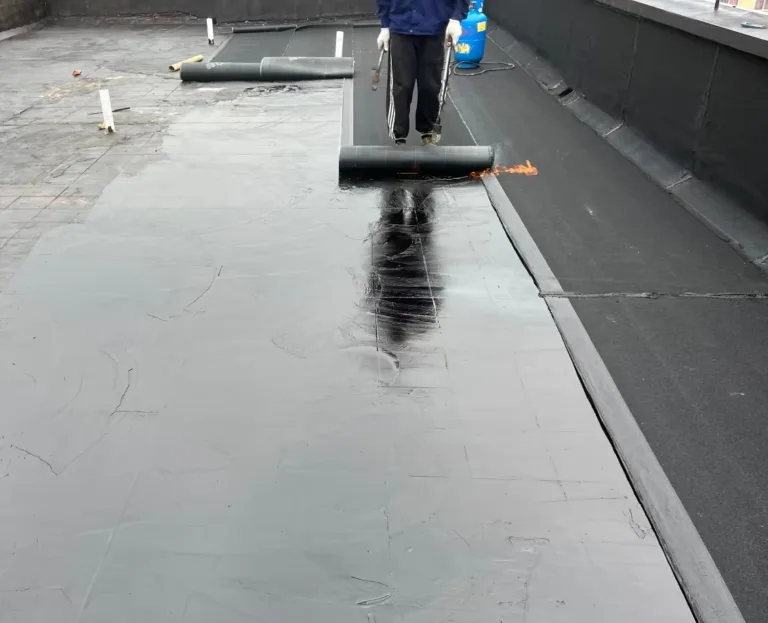
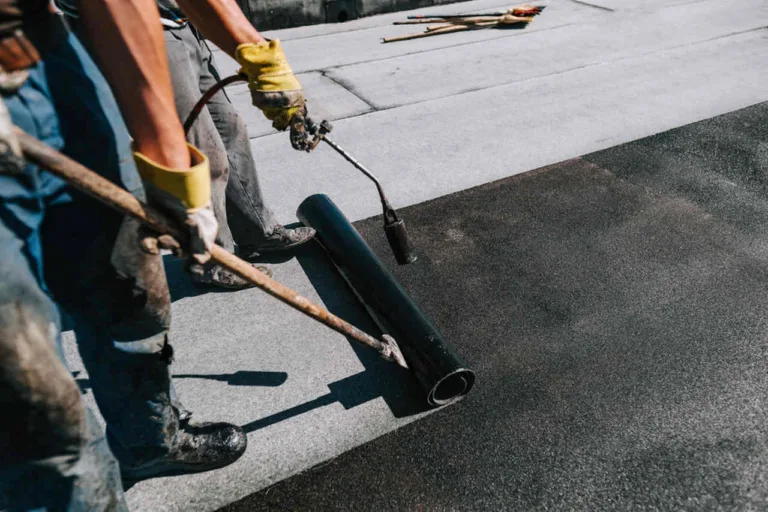
1. Bitumen-Based Waterproofing for External Tank Protection
Bitumen-based waterproofing materials can be used for external waterproofing applications where the tank structure needs protection from groundwater and soil moisture.
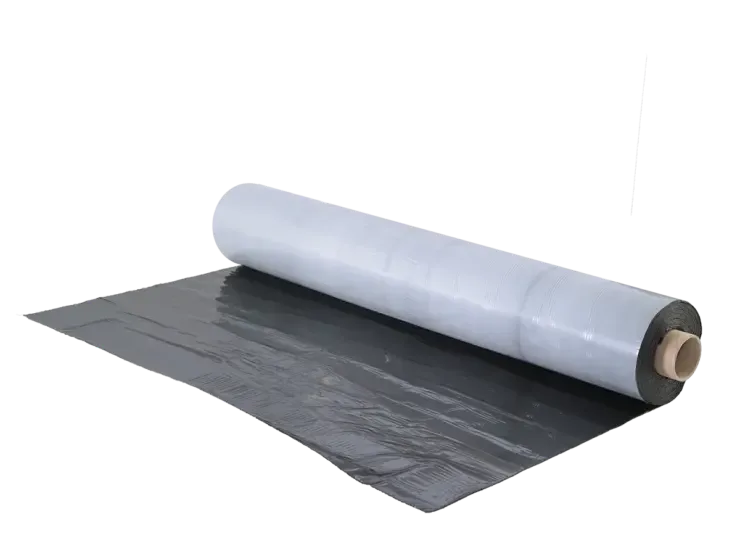
Depending on the project design, liquid-applied bitumen coatings or bituminous sheet membranes can be used as part of an external waterproofing system.
These solutions are particularly relevant to:
- Underground concrete reservoirs
- Underground water tanks
- Foundation structures
- Concrete structures exposed to soil moisture
- External waterproofing applications
For internal potable-water applications, however, the suitability of the specific product and applicable water-contact requirements must be verified separately.
2. Fortismate WBC-A Water-Based Acrylic Waterproof Coating
WBC-A High-Elastic Water-Based Acrylic Waterproof Coating is a liquid-applied acrylic waterproofing material designed to form a seamless elastic waterproof membrane after curing.
Its characteristics include:
- Water-based formulation
- High elasticity
- Seamless membrane formation
- Weather resistance
- Suitable for exposed waterproofing applications
- Roller or brush application
WBC-A Immersion Simulation Test
Fortismate has conducted a laboratory immersion simulation test on fully cured WBC-A.
The cured coating was submerged in a water tank for approximately 60 days. During the test, the coating condition and water quality were inspected for changes including blistering, peeling and whitening.
This test provides useful information regarding the coating’s performance under prolonged water immersion conditions.
Important: The immersion simulation test is a laboratory test and should not be interpreted as potable-water certification.
WBC-A is therefore recommended for applications such as:
- Non-potable water reservoirs
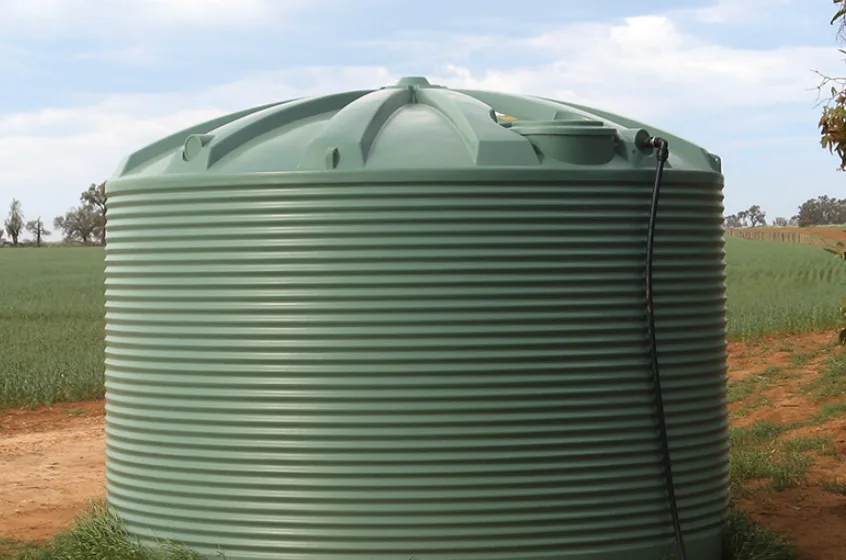
- Rainwater tanks
- General water-storage structures where permitted
- Exterior exposed waterproofing
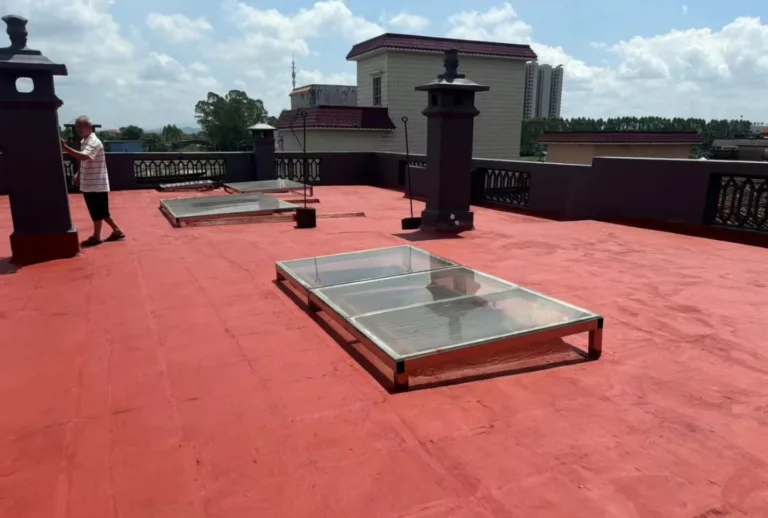
- Concrete roof and construction waterproofing
For permanent drinking-water tanks, the applicable potable-water certification requirements must be verified before using WBC-A.
3. SBC-PU Single-Component Polyurethane Waterproof Coating
SBC-PU Single-Component Polyurethane Waterproof Coating is a solvent-based, moisture-curing polyurethane waterproofing material.
After curing, it forms a flexible waterproof membrane with high tensile strength and good elongation.
Depending on project requirements and the applicable TDS, polyurethane waterproof coatings can be considered for selected non-potable water-storage and waterproofing applications.
Typical characteristics include:
- Single-component formulation
- Moisture-curing technology
- High tensile strength
- Good elongation
- Seamless waterproof membrane
- Liquid-applied application
For water tank projects, substrate preparation, ventilation, curing conditions and water-contact requirements should be confirmed before application.
Water Tank Waterproofing Construction Process
A typical liquid-applied concrete water tank waterproofing system may involve the following steps.
The following workflow is for general reference only. Actual application procedures, coverage rates, drying times and curing requirements must follow the relevant product TDS and project specifications.
Step 1: Substrate Preparation
The concrete substrate should be clean, sound and free from dust, loose particles, oil, laitance and other contaminants.
Existing cracks, honeycombs and defective concrete should be repaired before waterproofing application.
The substrate moisture condition should also comply with the requirements of the selected waterproofing product.
Step 2: Primer Application
Where required, apply the recommended primer evenly using a brush, roller or other suitable equipment.
The primer can improve adhesion between the concrete substrate and subsequent waterproofing layers.
Primer selection should be based on the specific waterproofing system and substrate condition.
Step 3: Treat Pipe Penetrations and Other Details
Pipe penetrations are common leakage-prone areas in water tanks.
Gaps and interfaces around pipes should be properly sealed using a compatible sealant or detailing system before the main waterproofing layer is applied.
Other critical areas such as drains, corners and construction joints should also receive appropriate detailing treatment.
Step 4: Reinforce Corners and Joints
Internal corners and substrate junctions may experience higher stress or movement.
Depending on the waterproofing system, reinforcement tape, fabric or mesh can be incorporated into these areas.
For liquid-applied systems, reinforcing fabric may also be embedded between coating layers where specified.
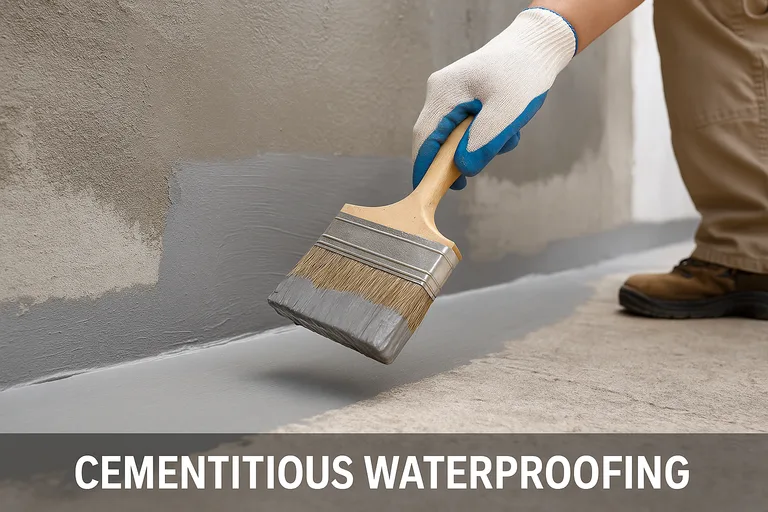
Step 5: Apply the Main Waterproofing Coating
Apply the selected waterproof coating according to the manufacturer’s TDS.
A typical liquid-applied system may consist of:
- Primer
- First waterproofing coat
- Reinforcing fabric where required
- Second waterproofing coat
- Additional coats where specified
Each layer should be allowed to reach the required curing condition before the next layer is applied.
Step 6: Inspection and Water-Filling Test
After the waterproofing system has fully cured, inspect the surface for defects such as:
- Pinholes
- Blisters
- Peeling
- Cracks
- Uneven coverage
- Damage around penetrations and joints
Where appropriate, a controlled water-filling or water-tightness test can then be carried out according to the project specification.
Common Water Tank Waterproofing Problems
Several common problems can reduce the service life of a waterproofing system.
Concrete Cracking
Concrete movement and shrinkage can create cracks that become leakage pathways.
Poor Surface Preparation
Dust, oil, laitance and loose concrete can reduce coating adhesion and cause premature failure.
Insufficient Coating Thickness
Applying too little material may prevent the waterproofing system from achieving its intended performance.
Inadequate Joint Treatment
Construction joints, movement joints and pipe penetrations require dedicated detailing.
Premature Water Contact
Allowing water to contact the coating before the required curing period can affect final performance.
Incorrect Product Selection
A waterproof coating designed for roofs or external surfaces should not automatically be assumed to be suitable for permanent drinking-water contact.
Potable Water Tank Waterproofing: An Important Consideration
For drinking water tank waterproofing, waterproof performance is only one part of the material-selection process.
Before selecting a waterproofing coating, project owners and engineers should verify:
- Applicable local drinking-water regulations
- Required potable-water certification
- Water-contact test requirements
- Chemical resistance requirements
- Maximum and minimum operating temperature
- Cleaning and disinfection procedures
- Expected service life
- Manufacturer’s technical documentation
A laboratory immersion test can demonstrate how a coating behaves under a specific test condition, but it does not automatically replace a formal potable-water certification.
Therefore, Fortismate recommends project-specific certification verification before using any waterproofing material for permanent potable-water storage.
Water Tank Waterproofing: Fortismate’s Approach
Every water tank project has different requirements.
Before recommending a waterproofing system, Fortismate can evaluate factors such as:
- Tank construction type
- Concrete substrate condition
- Tank size and geometry
- Internal or external waterproofing requirements
- Potable or non-potable water
- Underground or above-ground installation
- Local climate
- Expected water pressure
- Cleaning chemicals
- Required certification
- Construction method and project budget
Based on these conditions, Fortismate can provide suitable waterproofing products, technical data sheets and OEM/private-label cooperation options for qualified distributors and project partners.
Frequently Asked Questions About Water Tank Waterproofing
What is the best waterproofing for a concrete water tank?
There is no universal waterproofing material that is suitable for every concrete water tank.
The appropriate system depends on whether the tank stores potable or non-potable water, whether waterproofing is required internally or externally, the substrate condition, groundwater pressure, climate and applicable certification requirements.
Can acrylic waterproof coating be used in a water tank?
Some acrylic waterproof coatings can tolerate prolonged water immersion, but water immersion resistance does not automatically mean that the product is certified for potable-water contact.
For example, Fortismate WBC-A has undergone a 60-day laboratory immersion simulation test, but it does not have official potable-water certification. It is therefore positioned for suitable non-potable and exterior applications rather than permanent drinking-water storage.
How do you waterproof a concrete water tank?
A typical system involves substrate preparation, primer application where required, treatment of cracks and pipe penetrations, reinforcement of corners and joints, application of multiple waterproofing coats and final inspection.
The actual procedure should always follow the manufacturer’s TDS.
Is waterproofing required for underground water tanks?
Underground tanks can be exposed to groundwater and external hydrostatic pressure. External waterproofing is therefore commonly incorporated into the overall protection system for underground concrete structures.
The exact waterproofing design depends on groundwater conditions, tank structure and project requirements.
Can waterproof coating be applied directly to concrete?
Not necessarily.
The concrete surface normally needs appropriate preparation before waterproofing application. Depending on the product, a primer may also be required.
Surface moisture, cracks, laitance, dust and other contaminants should be addressed according to the product TDS.
Does Fortismate provide potable-water certified waterproofing products?
Fortismate offers waterproofing materials for various construction applications. However, not every Fortismate waterproofing product carries formal potable-water certification.
For permanent drinking-water tank projects, customers should provide the target market and applicable certification requirements so that product suitability can be evaluated on a project-specific basis.
Conclusion
A reliable water tank waterproofing system should protect the structure against water penetration while also meeting the specific requirements of the stored water and operating environment.
For concrete reservoirs and water storage structures, successful waterproofing depends on more than the coating itself. Proper substrate preparation, joint detailing, pipe penetration treatment, coating thickness, curing and final inspection are equally important.
Fortismate supplies a range of waterproofing membranes and liquid-applied waterproof coatings for construction and infrastructure applications. Our technical team can help customers evaluate suitable solutions based on project conditions, application requirements and target-market regulations.
Planning a water tank or reservoir waterproofing project? Contact Fortismate for product datasheets and project-specific waterproofing recommendations.