welcome
-
linshizi@fortismate.com ; sales@fortismate.com


How To Waterproof an Underground Tunnel?
Many people are fascinated by the intricate underground networks beneath our feet — a vast system of hidden passageways that link far-flung locations and sustain critical transportation and infrastructure operations. Underground tunnels stand out as remarkable feats of engineering, enabling unobstructed transit and streamlined logistics.
Even so, building and maintaining these underground vital arteries poses a unique set of technical hurdles. Foremost among them is tunnel waterproofing, an indispensable procedure designed to shield these underground structures from damaging water infiltration.
This guide, compiled by professional construction chemical supplier Baumerk, delivers an in-depth breakdown of tunnel waterproofing, covering its core significance, mainstream construction techniques and specialized materials deployed for tunnel waterproofing projects.
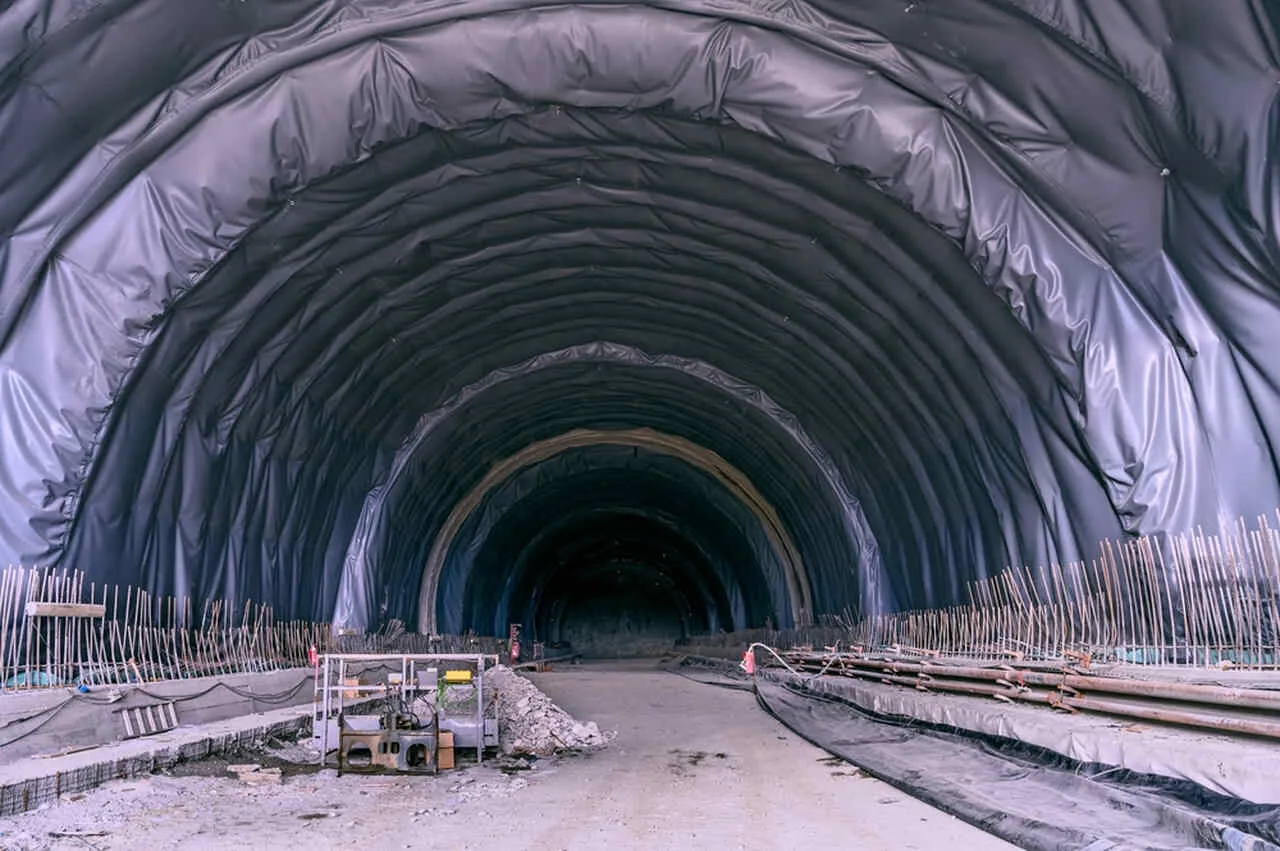
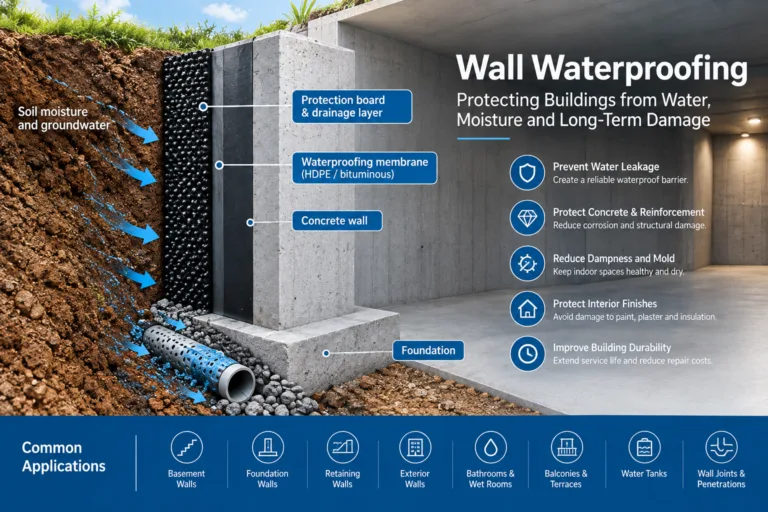
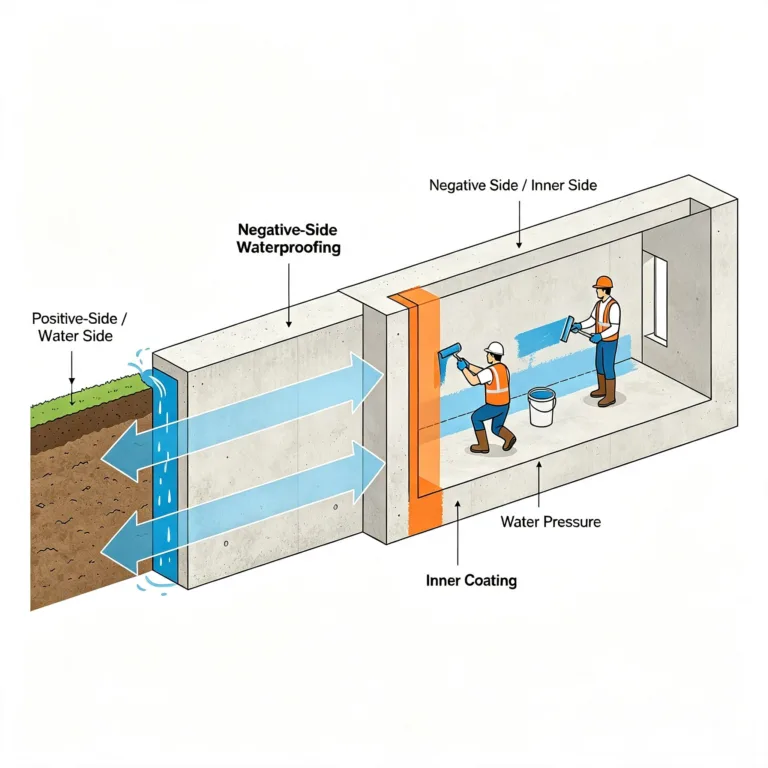
Tunnel waterproofing serves as an indispensable protective measure to shield underground passageways from persistent water erosion. As vital underground arteries supporting transportation and municipal infrastructure networks, tunnels face constant threats of water infiltration, which may trigger structural deterioration, steel reinforcement corrosion and potential safety hazards. To mitigate such risks, professional tunnel waterproofing systems adopt specialized construction technologies and materials to form a fully impermeable barrier and block water seepage into tunnel interiors.
Through a full range of advanced construction solutions, tunnel waterproofing safeguards these underground lifelines, extending their service life while maintaining stable functionality and long-term operational reliability.
What Are the Types of Tunnel Waterproofing?
Tunnel waterproofing is a sophisticated engineering project that demands meticulous planning, professional technical know-how and well-matched construction techniques. Below we take an in-depth look at the mainstream tunnel waterproofing technologies.
Membrane Waterproofing
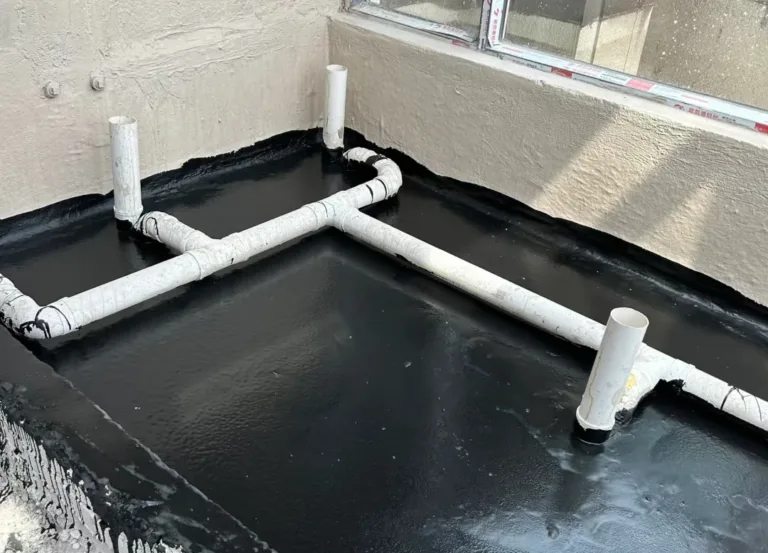
Waterproofing membrane installation is one of the most prevalent tunnel waterproofing solutions. These membranes create a continuous impermeable barrier to block water seepage into tunnel structures.
Baumerk’s APP-modified polymer bitumen membranes are custom-formulated for tunnels, bridges and viaducts. The product excels with exceptional long-term service life and superior waterproof insulation performance.
Injection Waterproofing
Injection waterproofing is another mature technology for stopping underground water infiltration. This process injects dedicated grout or resin materials into structural cracks, construction joints and crevices. The injected compound penetrates internal voids and cures to form a fully watertight seal, boosting the tunnel’s ability to withstand hydrostatic pressure. It works exceptionally well for repairing minor water leaks and reinforcing overall structural stability.
For tunnel waterproofing injection works requiring structural reinforcement, Baumerk’s EPOX IN 25 epoxy injection system is a highly dependable choice.
Cementitious Waterproofing
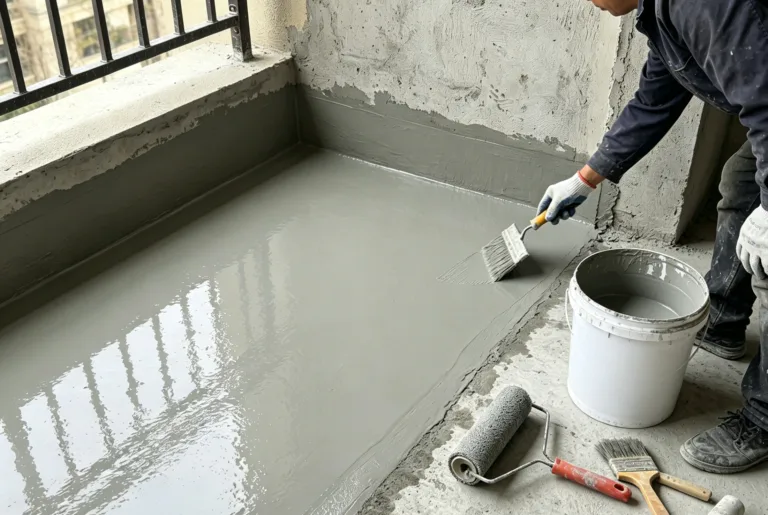
Cementitious waterproofing is a multi-functional solution widely adopted in tunnel construction. Contractors apply cement-based coatings or mortars onto tunnel interior surfaces, which cure into a dense impermeable layer to halt water ingress and deliver lasting structural protection. Suitable for both new tunnel builds and renovation of aged tunnel structures, this system boasts outstanding hydrostatic pressure resistance; its performance can be further elevated via specialized functional additives.
FortisMate‘s delivers flawless waterproofing performance, serving as an ideal solution for all types of tunnel and general construction projects.
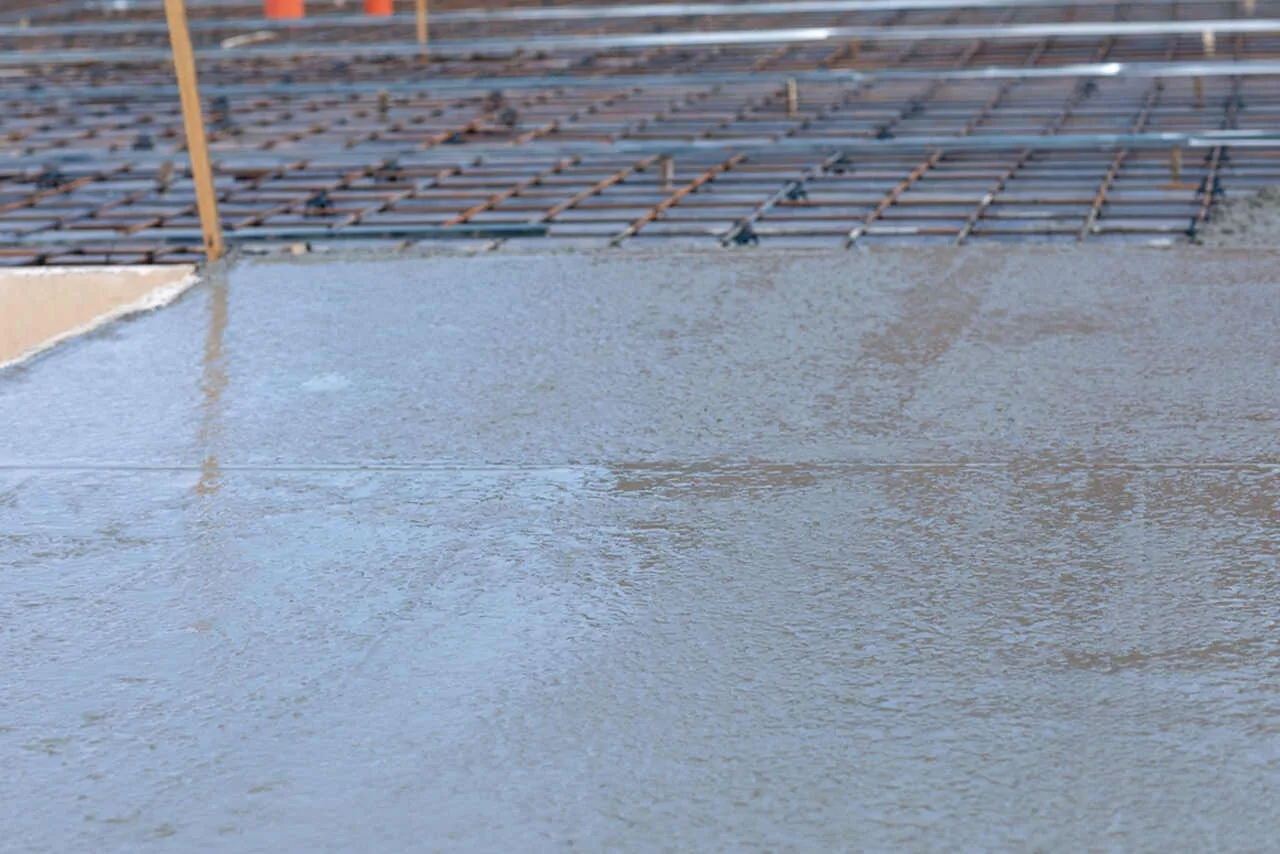
Tunnel waterproofing consists of a full set of construction procedures designed to form a complete, reliable watertight barrier against water infiltration. Although detailed workflows differ across projects and selected waterproofing systems, a standard general process flow is outlined as follows:
Site Survey & Pre-Construction Preparation
- Carry out comprehensive geological inspection of the tunnel site to evaluate ground conditions, groundwater table height and all potential water seepage channels.
- Detect pre-existing cracks, construction joints and defective zones that demand targeted treatment in subsequent waterproofing operations.
- Clean the tunnel substrate to clear loose residues and contaminants, creating a sound base for the installation of waterproofing materials.
Surface Treatment & Repair
- Remediate exposed structural cracks and defects with professional repair materials and standardized construction techniques.
- Level uneven substrates and eliminate sharp protrusions that could damage or hinder the proper laying of waterproofing products.
Selection of Waterproofing Solutions
- Select the optimal waterproofing system or combined multi-technique solution from the aforementioned construction methods in accordance with the on-site survey results.
Membrane Installation
- Where membrane waterproofing is specified, lay the selected waterproofing membrane onto tunnel sidewalls, vaults and base slabs.
- Strictly comply with the manufacturer’s technical specifications to guarantee full adhesion and standard overlap of membrane sheets.
Crack & Joint Grouting Treatment
- If injection waterproofing is incorporated into the scheme, inject dedicated grout or resin materials into cracks and construction joints to form permanent watertight seals and strengthen the tunnel structural integrity.
- Carry out injection operations in line with standardized procedures, making sure the chemical compounds fully permeate and fill all voids within defective zones.
Cementitious Coating Application
- For cementitious waterproofing works, apply cement-based coatings or mortars across tunnel substrates with matched construction tools and standard operating techniques.
- Focus heavily on water-prone weak sections to deliver uniform coating coverage and consistent film thickness.
Quality Inspection & Performance Testing
- Conduct strict on-site quality checks at every construction stage to verify standard installation, stable bonding and uniform coating thickness.
- Carry out professional performance tests including water spray testing and hydrostatic pressure testing to validate the overall sealing efficiency of the waterproofing system.
Long-Term Maintenance
- Conduct routine tunnel inspections to spot early signs of water infiltration such as seepage and damp patches, and rectify all detected defects promptly.
- Develop a systematic maintenance schedule covering regular patrol checks and targeted remedial repairs to sustain the long-term service performance and durability of the waterproofing system.
- By tailoring the above procedures to unique project conditions, engineering teams can deliver effective tunnel waterproofing works, shield tunnel structures from water-induced deterioration, and secure long-term service life and operational stability.
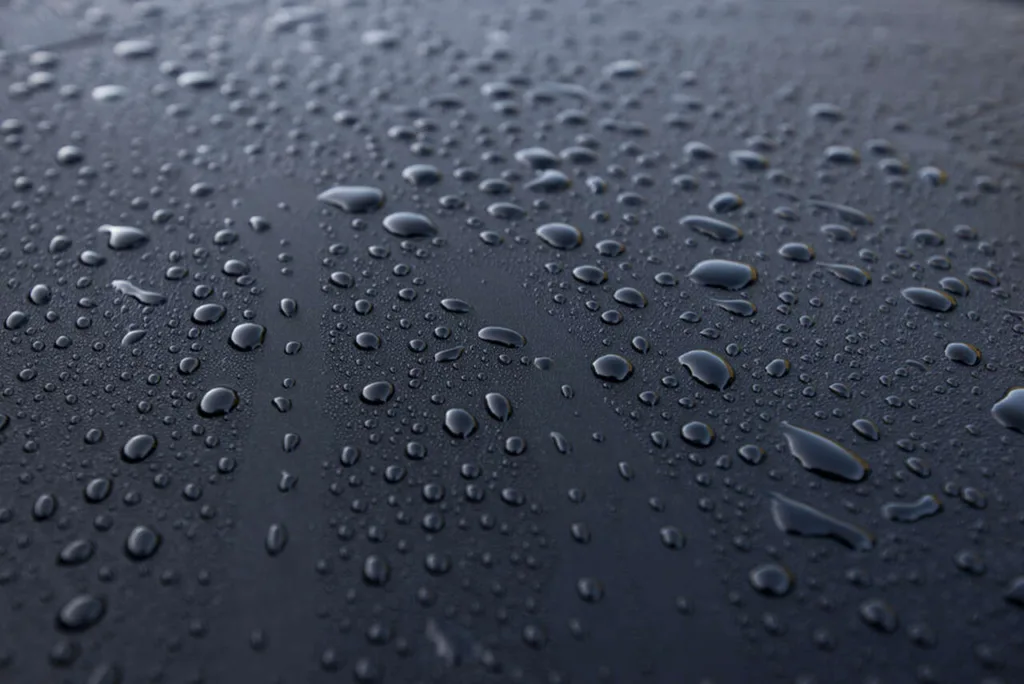
This article has covered comprehensive, practical insights into tunnel waterproofing technologies. To recap, three core systems — membrane waterproofing, injection grouting, and cementitious waterproofing — deliver viable countermeasures to mitigate leakage risks. Furthermore, proper selection of tunnel lining materials safeguards structural integrity and extends the service lifespan of these critical transportation and infrastructure arteries.
As tunneling engineering evolves with continuous technological breakthroughs, innovative waterproofing construction techniques and material formulas will further elevate underground tunnels’ safety, durability and anti-risk resilience. Pairing cutting-edge waterproofing solutions with meticulous pre-construction planning and standardized maintenance regimes enables these underground engineering feats to operate steadily for decades, silently linking global transport networks far into the future.
As a professional construction chemical supplier, FortisMate supplies ultra-reliable waterproofing membranes and specialty construction chemicals to address all your project demands. You may browse our full product portfolio to locate tailored waterproofing solutions, or reach out directly to the FortisMate team for custom support on your construction projects.
Lastly, feel free to explore our supplementary technical guide.