welcome
-
linshizi@fortismate.com ; sales@fortismate.com



Base Flashing for Siding: Materials, Installation & Waterproofing Guide
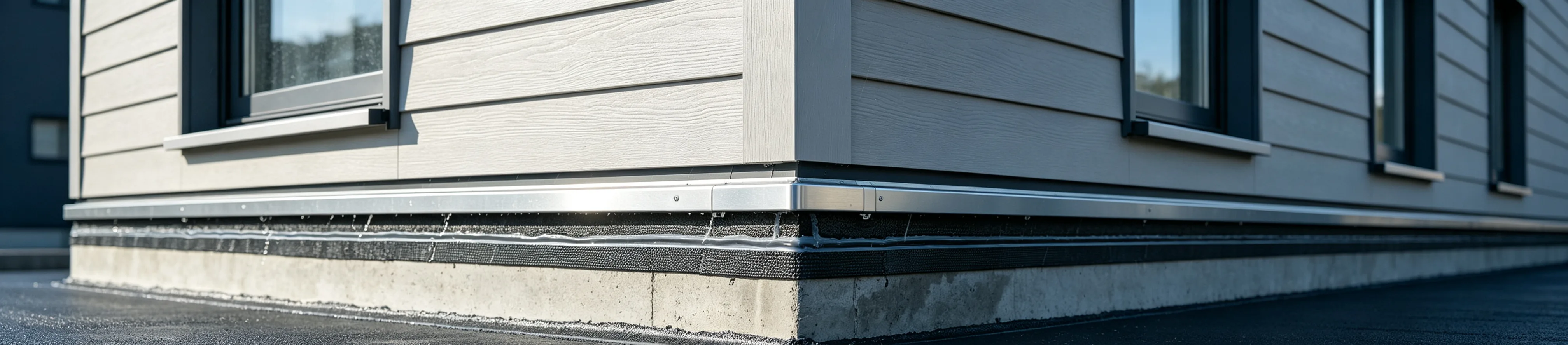
The bottom edge of a siding system is one of the most vulnerable areas of an exterior wall. Rainwater, runoff, and splash-back can repeatedly expose this area to moisture, especially where siding meets a concrete foundation, slab, patio, or grade.
Base flashing for siding helps control this moisture by directing water away from the wall assembly and protecting the materials behind the siding.
When properly designed and installed, base flashing works together with weather-resistant barriers, drainage planes, waterproofing membranes, and other building envelope components to reduce the risk of water intrusion, mold, rot, and structural deterioration.
In this guide, we explain what base flashing for siding does, which materials are commonly used, how it should be installed, and how waterproofing membranes can provide additional protection at critical wall transitions.
What Is Base Flashing for Siding?
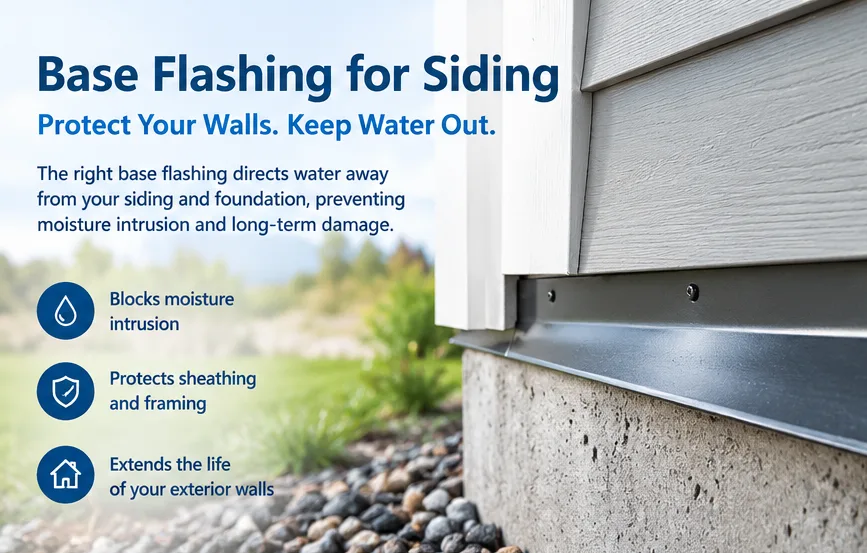
Base flashing is a waterproofing and drainage component installed near the bottom of an exterior wall where siding meets the foundation, concrete slab, or another horizontal surface.
Its main purpose is to collect water that reaches the bottom of the wall and direct it safely toward the exterior.
A properly designed siding base flashing system should:
- Prevent water from entering behind the siding
- Direct water away from the wall assembly
- Protect sheathing and structural framing
- Reduce prolonged moisture exposure
- Maintain proper clearance between siding and grade
- Integrate with the wall’s weather-resistant barrier
- Provide a continuous drainage path
Base flashing should not be considered an isolated component. It is part of the overall building envelope and must work together with the drainage plane and waterproofing system.
Why Is Flashing at the Bottom of Siding Important?
The bottom of an exterior wall is exposed to significant moisture.
Rainwater can run down the siding and collect near the foundation. Heavy rainfall can also cause splash-back from concrete, soil, patios, stairs, and other hard surfaces.
If water gets behind the siding and cannot drain properly, it may remain trapped inside the wall assembly.
Over time, persistent moisture can contribute to:
- Wood rot
- Mold growth
- Deterioration of sheathing
- Insulation damage
- Corrosion of metal components
- Swollen or damaged trim
- Loss of material performance
- Structural deterioration
The problem is that much of this damage can occur behind the siding and remain invisible for a long time.
For this reason, flashing at the bottom of siding is an important part of long-term moisture management.
Common Materials for Siding Base Flashing
The best flashing material depends on the siding system, wall construction, climate, exposure conditions, and project requirements.
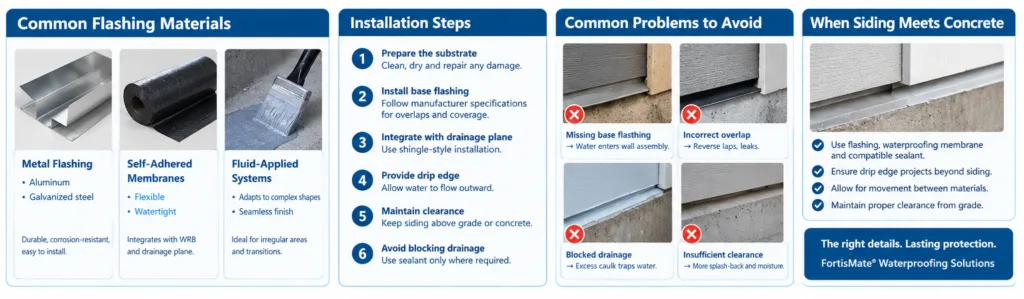
Metal Flashing
Aluminum and galvanized steel are commonly used for exterior flashing.
Aluminum is lightweight, easy to cut and bend, and resistant to corrosion in many environments. Galvanized steel provides greater mechanical strength and resistance to impact.
Metal flashing can be effective for straightforward wall-to-foundation transitions, but special attention is required at corners, joints, penetrations, and material transitions.
Self-Adhered Flashing Membranes
Self-adhered flashing membranes provide a flexible alternative to rigid metal flashing.
They can adhere directly to suitable substrates and create a continuous waterproofing layer around difficult transitions.
When properly integrated with the weather-resistant barrier, a self-adhered membrane can help maintain a shingle-style drainage path behind the siding.
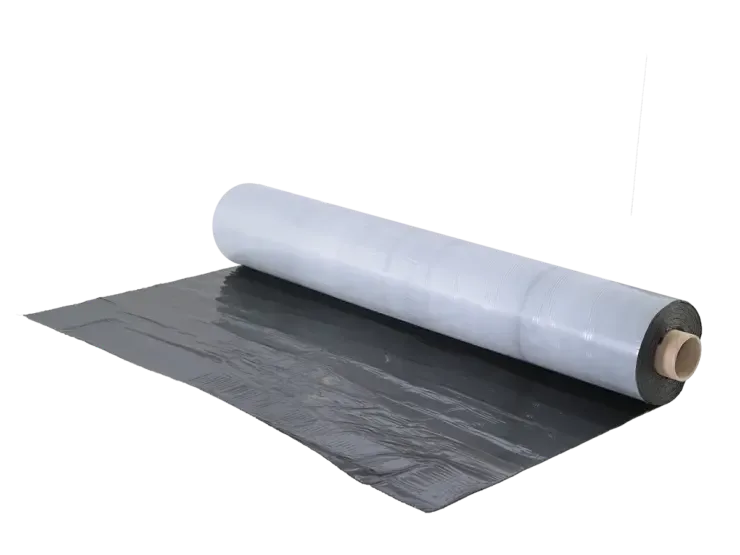
For projects requiring additional protection, self-adhered bituminous membranes can be used around wall transitions, foundations, openings, and other vulnerable areas.
Pre-Applied Waterproofing Membranes
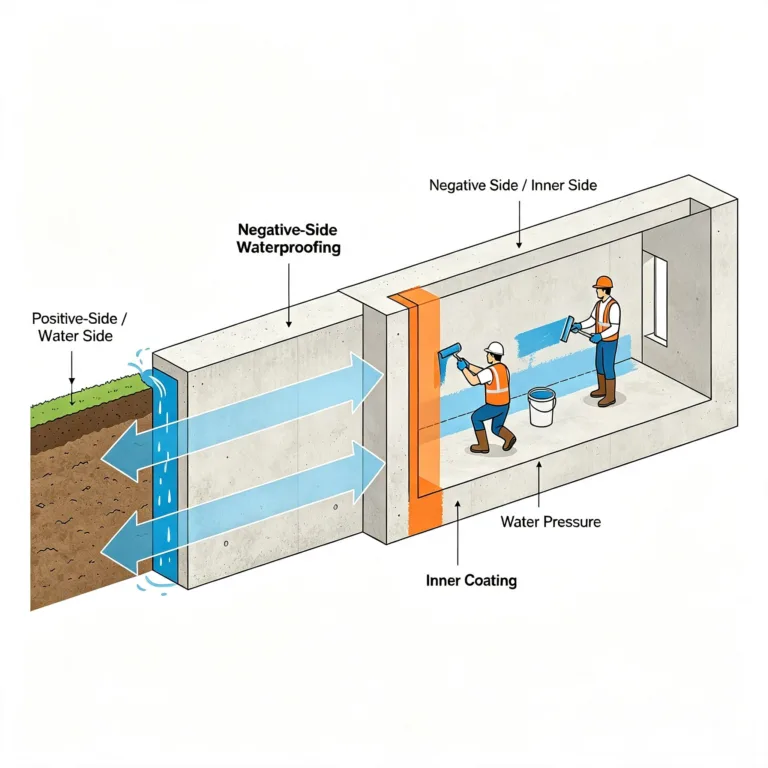
Pre-applied waterproofing membranes are commonly used for below-grade foundation waterproofing and concrete structures.
For example, FortisMate® PWM-SAB and PWM-HDPE waterproofing systems are designed for applications where continuous waterproofing protection and reliable bonding are required.
When a waterproofed foundation connects to an exterior wall, the flashing and waterproofing systems should be coordinated so that water has a continuous path toward the exterior.
Fluid-Applied Waterproofing
Fluid-applied waterproofing systems can be useful for irregular surfaces, corners, penetrations, and complex transitions.
Because they are applied in liquid form, they can conform to complicated geometries and form a continuous waterproofing layer after curing.
Depending on the project design, fluid-applied waterproofing can complement sheet membranes and flashing components to reduce potential weak points in the building envelope.
How Should Base Flashing for Siding Be Installed?
Proper sequencing is essential to make sure water moves outward rather than back into the wall.
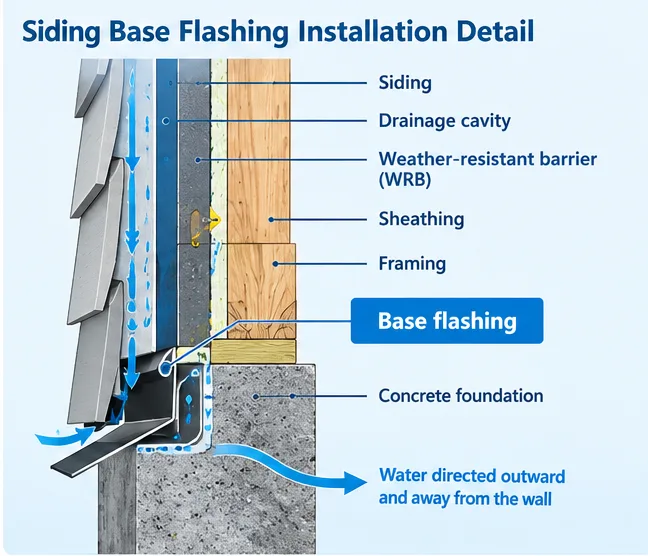
Although installation details vary between siding and wall systems, several basic principles should be followed.
1. Prepare the Substrate
The substrate should be structurally sound and free from dust, oil, loose particles, and other contaminants.
Any damaged sheathing or deteriorated materials should be repaired before installing flashing or waterproofing membranes.
2. Install the Flashing or Waterproofing Membrane
Position the base flashing at the bottom of the wall according to the project design.
When using a self-adhered membrane, make sure the substrate is suitable for adhesion and follow the manufacturer’s requirements for surface preparation, overlap, and application.
3. Integrate With the Drainage Plane
The upper portion of the flashing should connect with the drainage plane or weather-resistant barrier in a shingle-style configuration.
This allows water to move downward and outward instead of being directed behind the waterproofing layer.
4. Provide an Outward-Facing Drip Edge
The lower edge should project beyond the wall plane sufficiently to allow water to drain away from the wall.
A properly designed drip edge helps break surface tension and prevents water from curling back toward the siding or foundation.
5. Maintain Proper Clearance
Siding should maintain appropriate clearance from soil, concrete, slabs, patios, and other moisture-prone surfaces.
Adequate clearance helps reduce water absorption, splash-back, and direct contact with wet materials.
6. Avoid Blocking the Drainage Path
One common mistake is applying excessive sealant at the bottom edge of the flashing.
The goal of flashing is not simply to seal every opening. It must also allow water to escape.
Sealants should be used only where required by the project design or manufacturer instructions and should not block intentional drainage outlets.
Flashing Where Siding Meets Concrete
The transition between siding and concrete requires particular attention.
Concrete foundations, patios, stairs, and slabs can remain wet after rainfall and may create repeated splash-back against the lower section of the siding.
If the flashing is missing or incorrectly detailed, moisture may enter behind the siding and migrate into the wall assembly.
A properly designed transition may combine:
- Metal flashing
- Self-adhered waterproofing membranes
- Fluid-applied waterproofing
- Weather-resistant barriers
- Drainage layers
- Compatible sealants
The exact configuration depends on the wall design and construction requirements.
The most important principle is continuity: the waterproofing and drainage layers should work together rather than functioning as disconnected components.
Common Base Flashing Problems
Even high-quality materials can perform poorly when installation or detailing is incorrect.
Missing Base Flashing
Without an effective flashing layer, water can enter the wall assembly at the bottom edge.
Incorrect Overlap
Flashing and waterproofing membranes should be installed according to the direction of water flow.
Incorrect overlaps can create reverse laps and allow water to travel behind the waterproofing layer.
Blocked Drainage
Excessive caulking or sealant can prevent water from escaping.
A drainage opening should remain functional and unobstructed.
Insufficient Siding Clearance
Siding installed too close to concrete or grade is more exposed to splash-back and moisture.
Poor Corner Detailing
Corners, penetrations, and transitions are common weak points in waterproofing systems.
These areas should receive appropriate reinforcement and detailing to maintain continuity.
How to Inspect the Bottom Edge of Siding
Regular inspection can help identify moisture problems before they become major repairs.
Look for:
- Peeling or bubbling paint
- Dark stains
- Swollen trim
- Soft wood
- Rust streaks
- Cracked or deteriorated sealant
- Efflorescence on concrete
- Damaged flashing
- Missing drip edges
- Blocked drainage openings
After severe weather, it is especially useful to inspect the lower section of exterior walls for visible damage or signs of water intrusion.
If the flashing is damaged, corroded, or missing, replacing the affected component is generally preferable to relying on a heavy bead of caulk as a temporary solution.
Base Flashing and the Building Envelope
Base flashing is only one part of a complete moisture-management strategy.
A durable exterior wall system may include several layers working together:
Exterior Siding → Drainage Cavity → Weather-Resistant Barrier → Waterproofing Layer → Structural Sheathing → Framing
At the bottom of the wall, flashing provides a controlled route for water to leave this assembly.
This is why flashing should be considered together with the overall building envelope rather than as an independent finishing detail.
FortisMate Waterproofing Solutions for Building Protection
FortisMate® provides waterproofing membranes and coatings for building envelope, foundation, roofing, and infrastructure applications.
Our product portfolio includes multiple waterproofing technologies for different construction requirements, including:
- Self-adhered bituminous waterproofing membranes
- HDPE pre-applied waterproofing membranes
- TPO waterproofing membranes
- PVC waterproofing membranes
- EPDM waterproofing membranes
- Polymer-modified cementitious waterproofing coatings
- Fluid-applied waterproofing systems
- Self-adhered TPO membranes
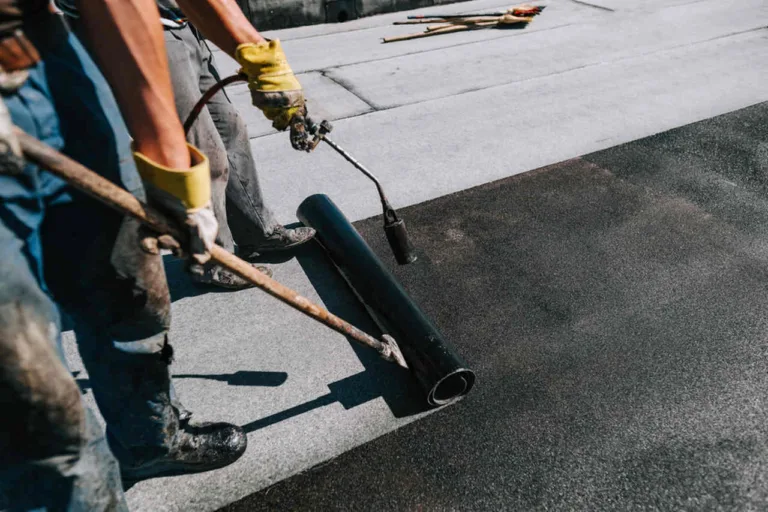
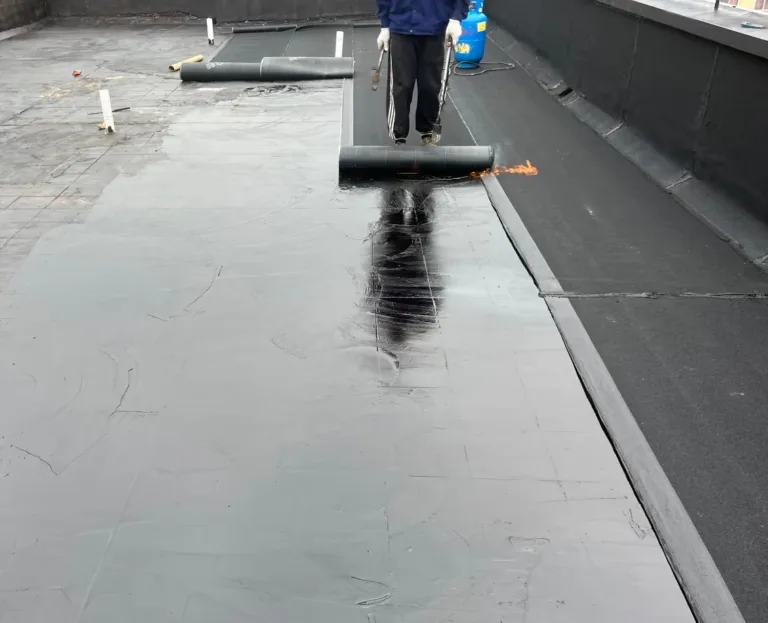
- SBS modified bitumen membranes
- APP modified bitumen membranes
For projects involving siding-to-foundation transitions, wall waterproofing, or below-grade structures, the appropriate membrane can be selected according to substrate conditions, construction methods, exposure, and project requirements.
FortisMate also supports international distributors, contractors, construction companies, and OEM partners looking for reliable waterproofing materials.
Why Choose FortisMate for Waterproofing Materials?
A waterproofing system is only as reliable as its weakest detail.
Material selection, substrate preparation, installation technique, membrane compatibility, detailing, and environmental conditions all affect long-term performance.
FortisMate focuses on providing a broad range of waterproofing technologies so that different construction applications can be addressed with appropriate materials.
From self-adhered membranes and pre-applied HDPE systems to TPO, PVC, EPDM, cementitious coatings, and modified bitumen membranes, FortisMate provides solutions for different waterproofing requirements.
For distributors and construction-material companies, FortisMate can also provide OEM and customized waterproofing solutions according to market and project needs.
Conclusion
The bottom edge of siding may look like a small construction detail, but it plays an important role in protecting the building envelope from moisture.
Proper base flashing for siding helps direct water away from the wall, protects vulnerable materials, and maintains a controlled drainage path at the siding-to-foundation transition.
For long-term performance, flashing should be properly integrated with the weather-resistant barrier, drainage plane, and waterproofing system.
Whether the project requires self-adhered membranes, pre-applied HDPE waterproofing, fluid-applied systems, or other waterproofing technologies, selecting the right material and installing it correctly can significantly improve the durability of the building envelope.
Looking for a Reliable Waterproofing Manufacturer?
FortisMate® provides a comprehensive range of waterproofing membranes and coatings for building, foundation, roofing, and infrastructure applications.
Contact FortisMate to discuss your waterproofing project, product requirements, or OEM opportunities.